Reviewed by Sahil Chopra, MD.
Research by Savit Malhotra
Introduction
Exercise is usually associated with stronger muscles, better cardiovascular health, and improved fitness. But one of its benefits may not become obvious until hours after the workout ends: better sleep. Regular physical activity has been associated with improvements in sleep quality, insomnia symptoms, and, in some studies, sleep efficiency and duration.[1,2,3,4]
That does not mean exhausting yourself guarantees a perfect night. The relationship between exercise and sleep depends on several factors, including how active you already are, the type and intensity of exercise, and how close the workout occurs to bedtime.[1,5,6] In fact, the people who appear to benefit most may be those who are already struggling with poor sleep.[1] The practical message is less “work out as hard as possible” and more move regularly, find something you can sustain, and pay attention to how your body responds.
Does Exercise Actually Help Sleep?
Overall, the evidence says yes. A large 2026 systematic review and meta-analysis examined 200 randomized controlled trials involving 23,523 adults. Exercise improved subjective sleep quality overall, and a smaller group of studies using objective measurements also showed a modest improvement in sleep efficiency.[1] Interestingly, people who started with poorer sleep quality were more likely to experience meaningful improvements than people who were already sleeping well.[1]
Research focusing specifically on insomnia points in the same direction. A 2024 meta-analysis found that exercise improved both subjective and objective sleep outcomes among people with insomnia.[7] A newer analysis of 24 randomized trials involving nearly 1,600 people with insomnia found improvements across aerobic exercise, strength training, mind-body exercise, and programs combining different types of activity.[2] Benefits appeared even at relatively modest amounts of physical activity, while progressively larger doses eventually produced diminishing returns.[2]
The improvements are not always equally obvious on a sleep study. Earlier meta-analyses have found that exercise often produces greater changes in how people perceive their sleep than in objective measures such as total sleep time or sleep stages.[3,8] That does not make the benefit unimportant; falling asleep more comfortably, feeling less disturbed during the night, and waking more refreshed are meaningful outcomes, but it does mean exercise should not be viewed as a guaranteed way to dramatically increase deep sleep or add an extra hour to every night.
Why Would Exercise Help You Sleep?
There is probably no single mechanism. Exercise affects several systems that also regulate sleep.One possible pathway involves sleep pressure. Being physically and mentally active during the day increases the body's need for recovery, potentially strengthening the drive to sleep later. Exercise also influences adenosine signaling, autonomic activity, inflammation, mood, and metabolic health, all of which interact with sleep regulation.[9,10]
Body temperature may play a role as well. Exercise temporarily raises core temperature. During the hours afterward, the body dissipates heat and temperature falls, a process that may complement the natural decline in core body temperature associated with sleep onset. In a randomized trial of women with chronic insomnia, 12 weeks of aerobic exercise improved insomnia severity and objective sleep measures while also changing nighttime core-temperature rhythms.[11]
Exercise can also reduce stress and anxiety, two common obstacles to healthy sleep. Physical activity has immediate benefits for anxiety and sleep quality, while regular exercise is associated with broader improvements in mental health.[12] This may help explain why people who are already struggling with poor sleep often show larger improvements than good sleepers: exercise may be addressing several barriers to sleep at the same time.[1]
Morning or Evening: Does Workout Timing Matter?
One of the most persistent pieces of sleep advice is to avoid exercising at night. The evidence suggests that this rule is too simplistic.A 2019 systematic review found that evening exercise generally did not harm sleep in healthy adults. In fact, some sleep measures modestly improved. The main exception was very vigorous exercise ending within roughly an hour of bedtime, which could interfere with sleep onset, total sleep time, or sleep efficiency.[5]
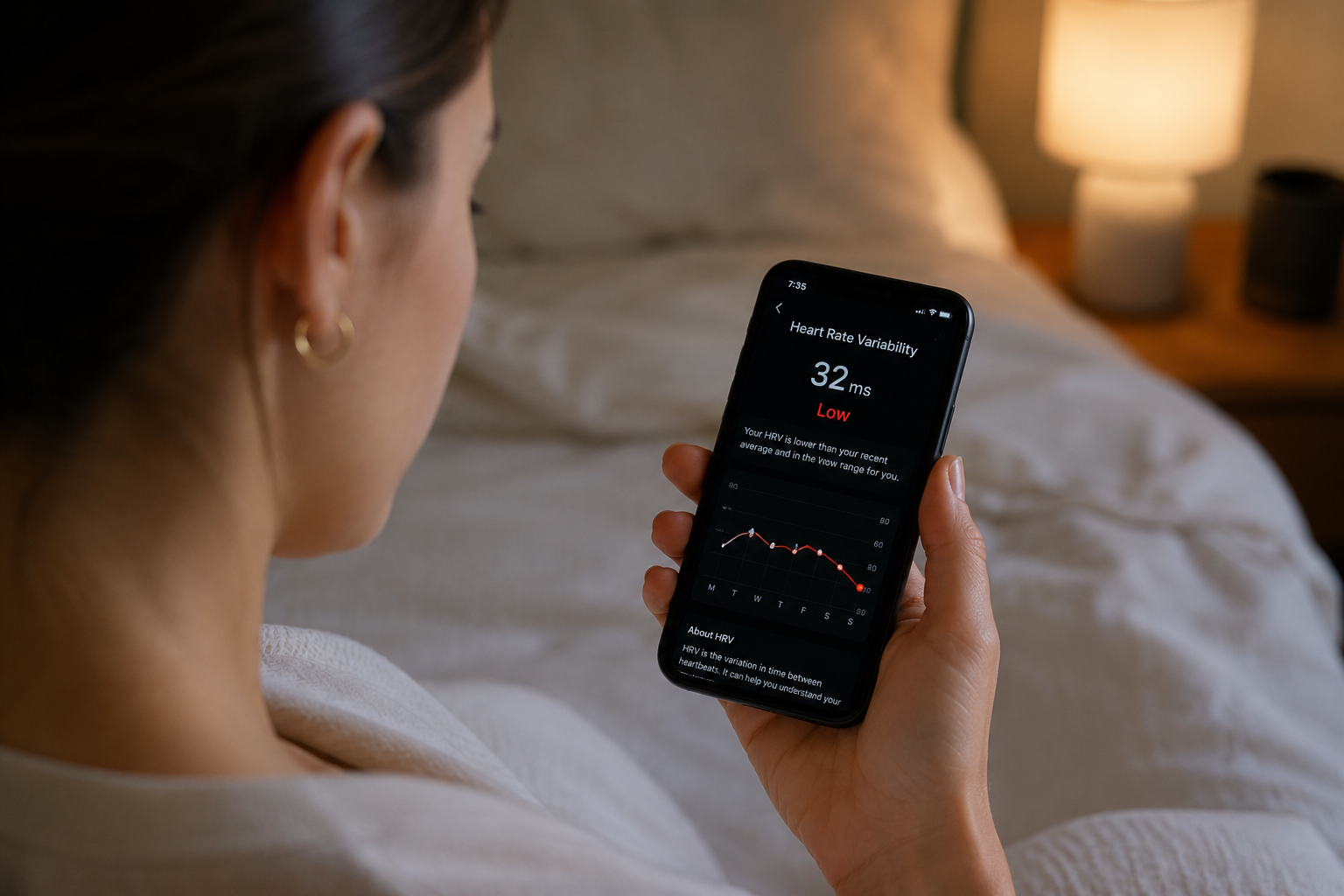
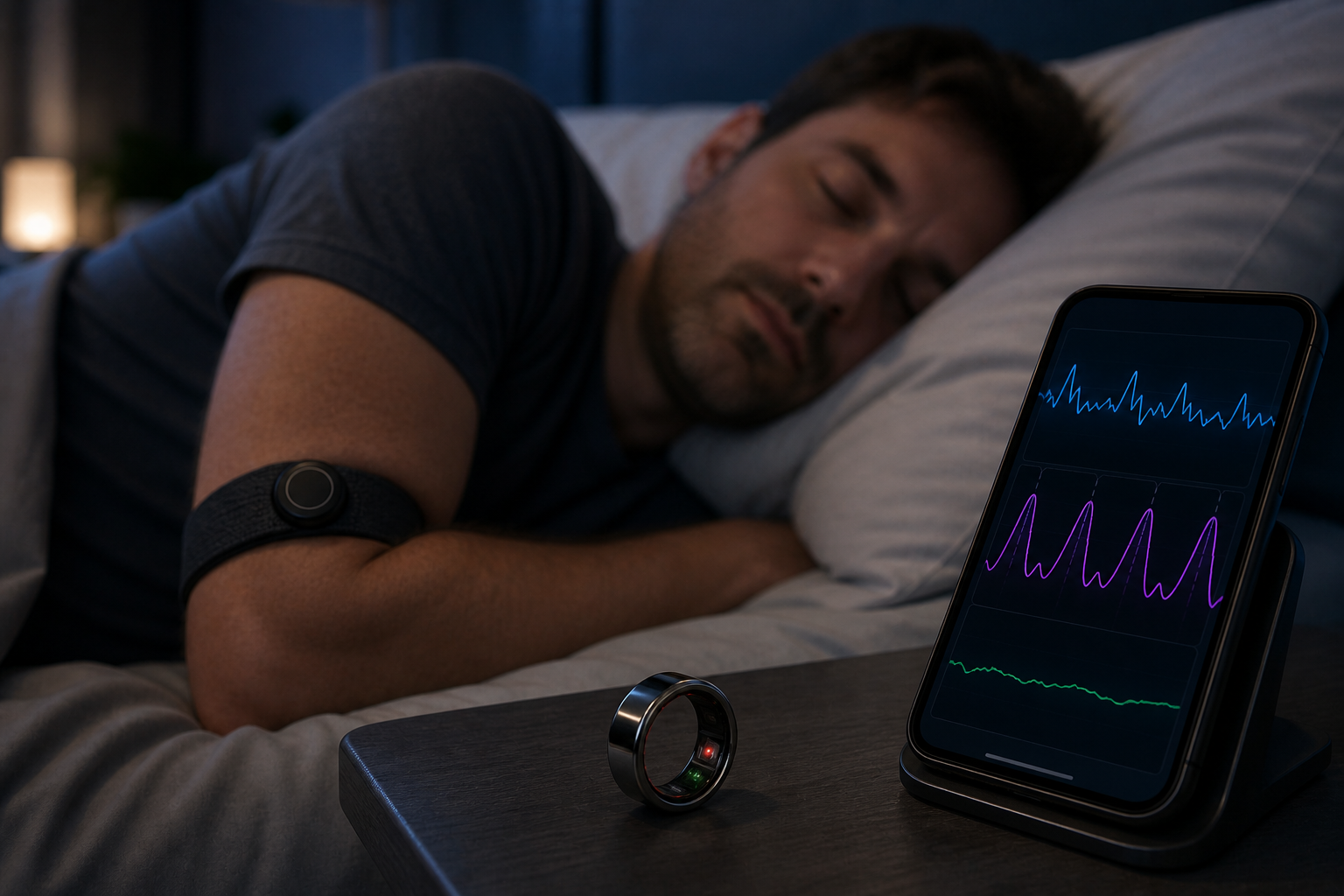
Newer evidence provides a little more context. A 2025 study analyzed more than 4 million nights from nearly 15,000 physically active adults and found that later and more strenuous workouts were associated with later sleep onset, shorter sleep, poorer sleep quality, a higher nighttime heart rate, and lower heart-rate variability. Importantly, workouts ending at least four hours before sleep were not associated with these disruptions, regardless of exercise strain.[6]
A 2026 systematic review comparing morning and evening exercise reached a similar overall conclusion: there was no clear universal advantage of morning exercise over evening exercise for most sleep outcomes. Differences became more apparent when evening activity was higher intensity or occurred closer to bedtime.[13] So if 7 p.m. is the only time you can consistently exercise and you sleep well afterward, there is little reason to force yourself into a 5 a.m. workout simply because it is supposedly “better for sleep.” The better rule is probably:
The harder the workout, the more time you may want between exercise and bed.
What Kind of Exercise Is Best?
There does not appear to be one magical form of exercise for sleep.
Aerobic exercise such as walking, jogging, swimming, or cycling has substantial evidence behind it. Resistance training can also improve sleep, as can mind-body exercises such as yoga, Tai Chi, and qigong.[1,2,8,14] Recent network meta-analyses in older adults and people with sleep disorders similarly suggest benefits from aerobic, resistance, combined, and mind-body exercise, although rankings between individual exercise types vary across analyses.[15,16]
That variability is actually useful. If several forms of activity can support sleep, then the best exercise may be the one you will actually continue doing. Someone who hates running does not need to become a runner for the sake of better sleep. Brisk walking, lifting weights, swimming, cycling, dancing, yoga, recreational sports, or combinations of these can all contribute to an active lifestyle.
There is also no evidence that exercising more and more indefinitely produces increasingly better sleep. A 2026 dose-response analysis in people with insomnia found that improvements appeared at relatively low exercise volumes and increased until approximately 650 MET-minutes per week, after which additional benefit began to level off.[2] That number should not become a rigid sleep prescription, but it reinforces an important point: you do not need to train like an athlete to potentially improve your sleep.
For overall health, current U.S. physical activity guidelines recommend adults aim for 150-300 minutes of moderate-intensity aerobic activity per week, or 75-150 minutes of vigorous activity, along with muscle-strengthening activity on at least two days per week.[17] These are general health targets rather than specific sleep prescriptions, and people who are currently inactive can benefit from starting with much smaller amounts.[12,17]
Can Exercise Help Insomnia?
Exercise can be a useful part of insomnia management, but it should not be confused with the primary treatment for chronic insomnia. Multiple reviews now show that structured physical activity can reduce insomnia severity and improve sleep quality.[2,7,18] In one randomized trial, moderate-to-vigorous aerobic training over 12 weeks improved both subjective insomnia severity and objective sleep measures in women with chronic insomnia.[11] Even approaches designed to add small amounts of movement into otherwise sedentary daily routines have shown improvements in insomnia symptoms.[19]
However, cognitive behavioral therapy for insomnia, or CBT-I, remains the established first-line treatment for chronic insomnia. Exercise is better viewed as a complementary strategy rather than a replacement for identifying and treating an underlying sleep disorder.
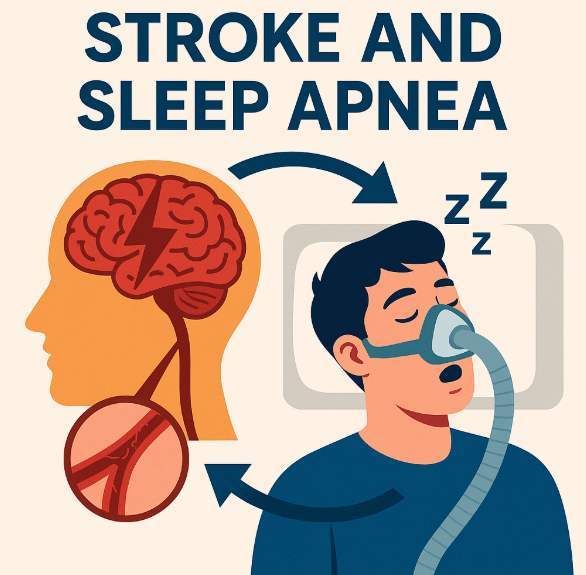
That distinction also matters for conditions such as obstructive sleep apnea, restless legs syndrome, circadian-rhythm disorders, or severe daytime sleepiness. Exercise has broad health benefits, but someone repeatedly waking at night or struggling to stay awake during the day should not assume that simply working out more will solve the problem.

How Can You Use Exercise to Support Better Sleep?
The most useful approach is surprisingly simple: be consistent before worrying about optimization. If you are currently inactive, start with manageable amounts of movement. A 20-minute walk several times per week is more useful than designing the “perfect” workout program that you abandon after four days. Federal physical activity guidance similarly emphasizes that some activity is better than none and recommends gradually increasing activity among people who are currently sedentary.[12,17]
If you exercise in the evening, pay attention to intensity and timing. Moderate activity may be perfectly compatible with sleep for many people, while very strenuous workouts immediately before bed are more likely to cause problems.[5,6,13] If a late workout consistently leaves you physically exhausted but mentally wired, experiment with finishing earlier or lowering the intensity. You can also use your own sleep as feedback. If regular exercise is followed by easier sleep onset, fewer awakenings, and better mornings, your routine is probably working well. If your workouts repeatedly leave you overheated, stimulated, sore, or unable to settle down at night, the solution may be adjusting the workout rather than abandoning exercise altogether. The goal is not to exercise yourself into unconsciousness. It is to create a body and routine that are better prepared for sleep when bedtime arrives.
Conclusion
Exercise may be one of the most useful daytime habits for supporting healthy sleep. Across hundreds of randomized trials, regular physical activity has been associated with improvements in sleep quality, sleep efficiency, and insomnia symptoms, particularly among people who already struggle with poor sleep.[1,2,7]
You do not necessarily need the perfect workout, an early-morning gym session, or hours of daily exercise. Aerobic activity, resistance training, walking, and mind-body exercise can all be beneficial.[1,2,14,15,16] And despite longstanding advice to avoid nighttime workouts, evening exercise is generally compatible with healthy sleep, as long as very strenuous activity is not pushed too close to bedtime.[5,6,13] So if better sleep is one of your goals, bedtime may not be the only part of the day worth paying attention to. Sometimes a better night begins with what you do while you are awake.