Reviewed by Sahil Chopra, MD.
Research by Savit Malhotra
Introduction
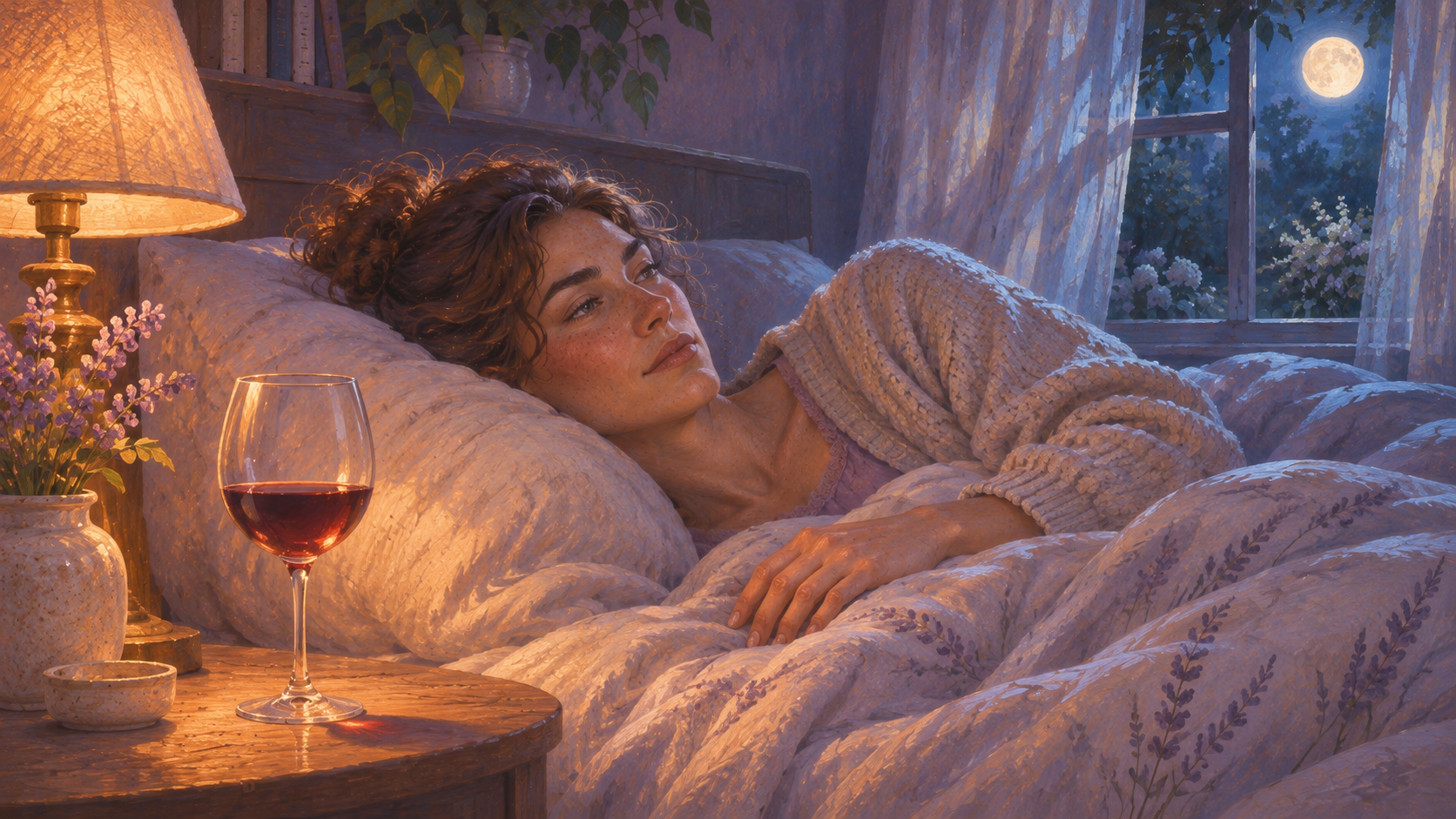
A glass of wine with dinner or a drink before bed can make you feel relaxed, drowsy, and ready to sleep. That has given alcohol a long-standing reputation as a kind of unofficial sleep aid. But feeling sleepy and getting healthy sleep are not the same thing.
Research shows that alcohol can change the normal structure of sleep, particularly by delaying and reducing rapid eye movement, or REM, sleep. At higher doses, alcohol may help people fall asleep somewhat faster, but that initial sedation can be followed by more disrupted sleep later in the night.[1,2] Alcohol can also worsen snoring and sleep-disordered breathing and alter the cardiovascular recovery that normally occurs while we sleep.[3,4,5,6] So while a nightcap might make bedtime feel easier, the rest of the night may tell a different story.
Why Does Alcohol Make You Feel Sleepy?
Alcohol is a central nervous system depressant, meaning it reduces activity in parts of the brain and can produce relaxation and sedation. It interacts with several neurotransmitter systems involved in sleep and wakefulness, including GABA, glutamate, and adenosine-related pathways.[7] These effects help explain why drinking in the evening can initially make someone feel tired.
Older sleep studies often found that alcohol shortened the time required to fall asleep, which helped create its reputation as a sleep aid.[2,8] However, newer evidence suggests that this effect depends strongly on dose. A 2025 systematic review and meta-analysis of 27 studies found that reductions in sleep-onset latency were primarily seen after higher doses of alcohol, roughly equivalent to five standard drinks in the study framework. Lower doses still altered sleep
architecture without consistently producing the same benefit in falling asleep faster.[1]
In other words, the amount of alcohol necessary to noticeably speed up sleep onset may also be enough to create greater disruption later in the night. Sedation at bedtime should therefore not be confused with an improvement in overall sleep quality.

What Happens to Your Sleep After Drinking?
One of alcohol's most consistent effects is on REM sleep, a stage involved in memory, emotional processing, learning, and other brain functions. The recent meta-analysis found that even relatively low doses, roughly two standard drinks or less in the studies analyzed, could delay the onset of REM sleep and reduce the amount obtained during the night. The disruption became progressively greater as alcohol dose increased.[1]
Laboratory studies show a similar pattern. In one 2024 experiment, 30 adults consumed alcohol before bed for three consecutive nights while researchers measured their sleep with polysomnography. Alcohol increased the accumulation of slow-wave sleep early in the night but consistently delayed REM sleep and reduced total REM sleep.[9] Earlier research has also found that alcohol can make the first part of the night appear relatively deep or consolidated while sleep becomes more fragmented later on.[2,7]
This is partly why someone may fall asleep quickly after drinking but still wake feeling unrefreshed. As alcohol is metabolized and its sedating effects wear off, the second half of the night may contain more awakenings and lighter, less stable sleep.[2,7,10] The exact effect on total sleep time and sleep efficiency varies across studies, but the disruption of normal sleep architecture, particularly REM sleep, is much more consistent.[1]
Alcohol, Snoring, and Sleep Apnea
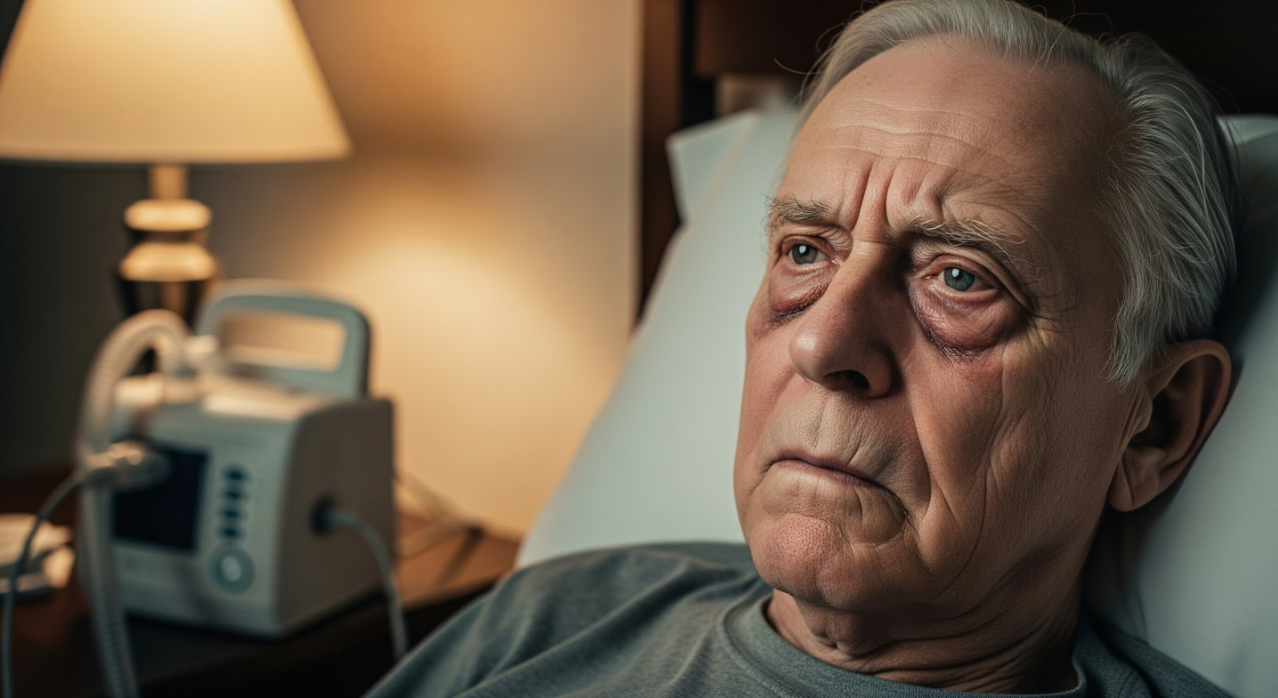
Alcohol can also change how we breathe during sleep.
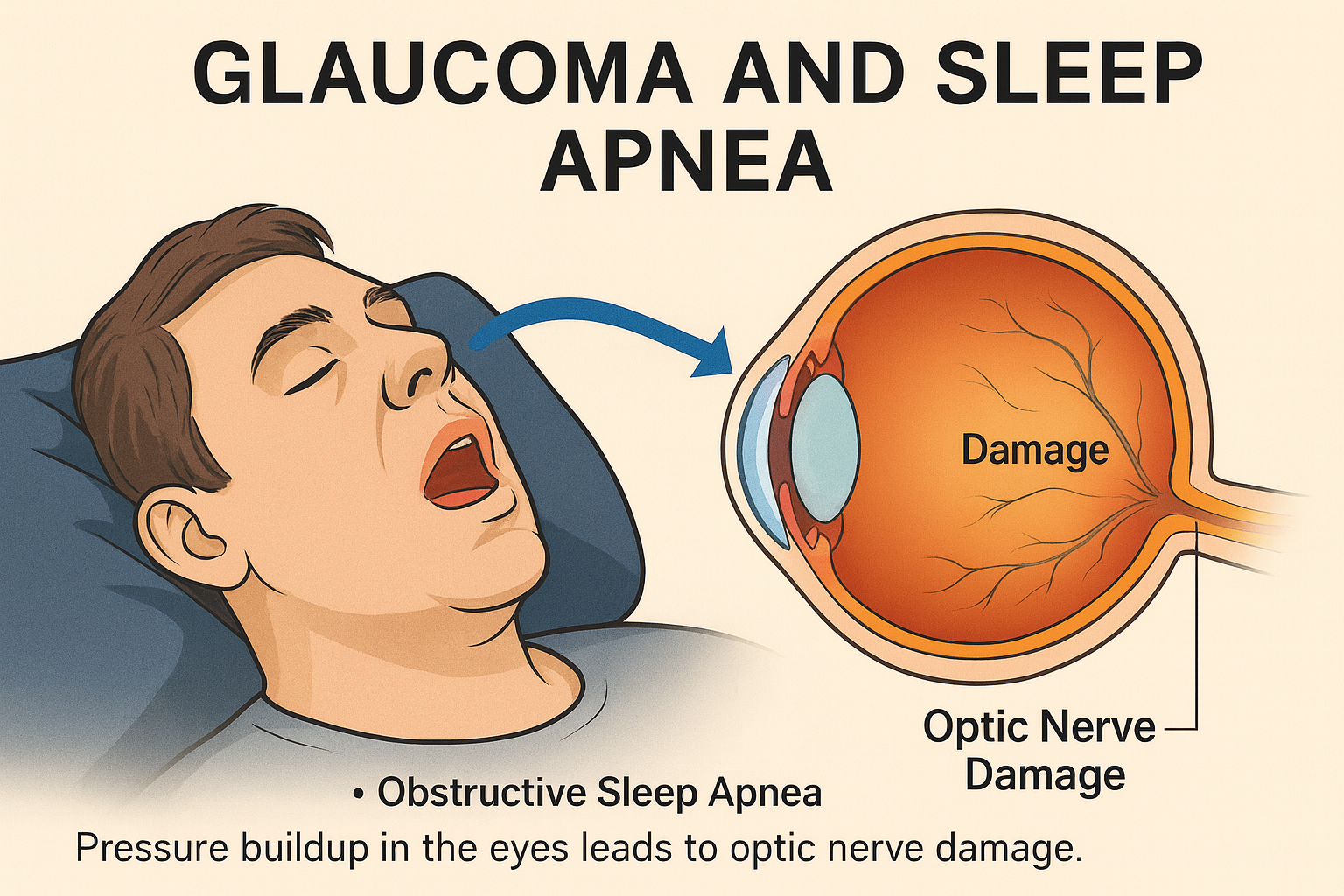
During sleep, the muscles supporting the upper airway naturally relax. Alcohol can further reduce upper-airway muscle tone and increase the tendency for the airway to narrow or collapse, which is particularly important for people who snore or already have obstructive sleep apnea.[3,4]
A systematic review and meta-analysis of experimental studies found that alcohol increased the apnea-hypopnea index, or AHI, by an average of about 2.3 events per hour and slightly reduced average blood oxygen saturation. The effect was substantially larger among people with obstructive sleep apnea, whose AHI increased by about seven events per hour after alcohol exposure.[3] Another meta-analysis found that alcohol worsened snoring, increased AHI by nearly four events per hour, and lowered the night's minimum oxygen saturation.[4]
Long-term observational research points in the same general direction. A meta-analysis of epidemiologic studies found that higher alcohol consumption was associated with approximately a 25% greater risk of sleep apnea, although observational data cannot prove that alcohol itself caused the disorder.[11] More recent large population research has also found a modest association between habitual alcohol consumption and future OSA diagnosis.[12]
This does not mean a drink automatically causes sleep apnea. But for someone who already snores, has diagnosed OSA, or experiences breathing pauses at night, alcohol, particularly close to bedtime, may make nighttime breathing less stable.

Your Body May Be Less “Rested” Than You Think
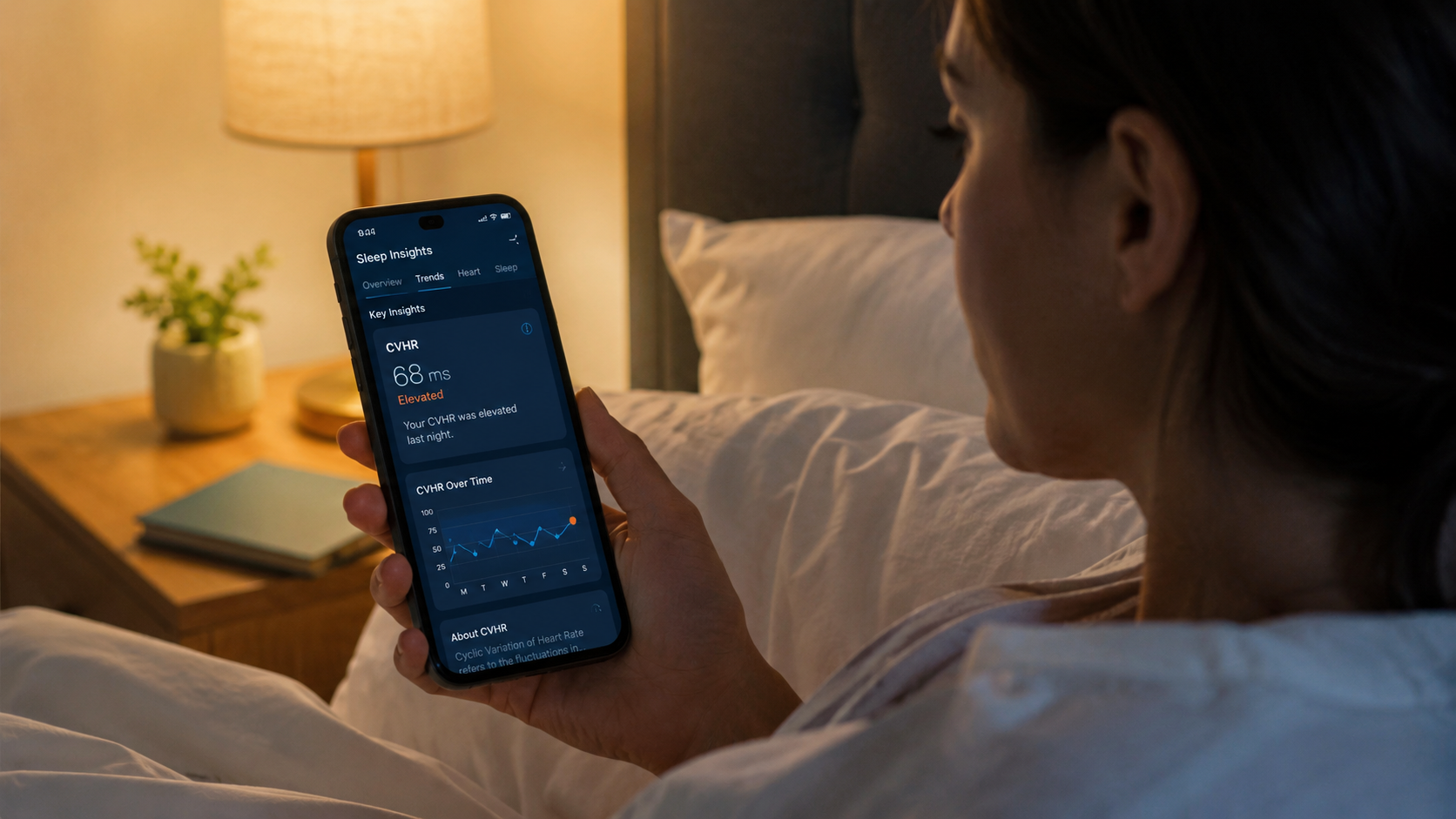
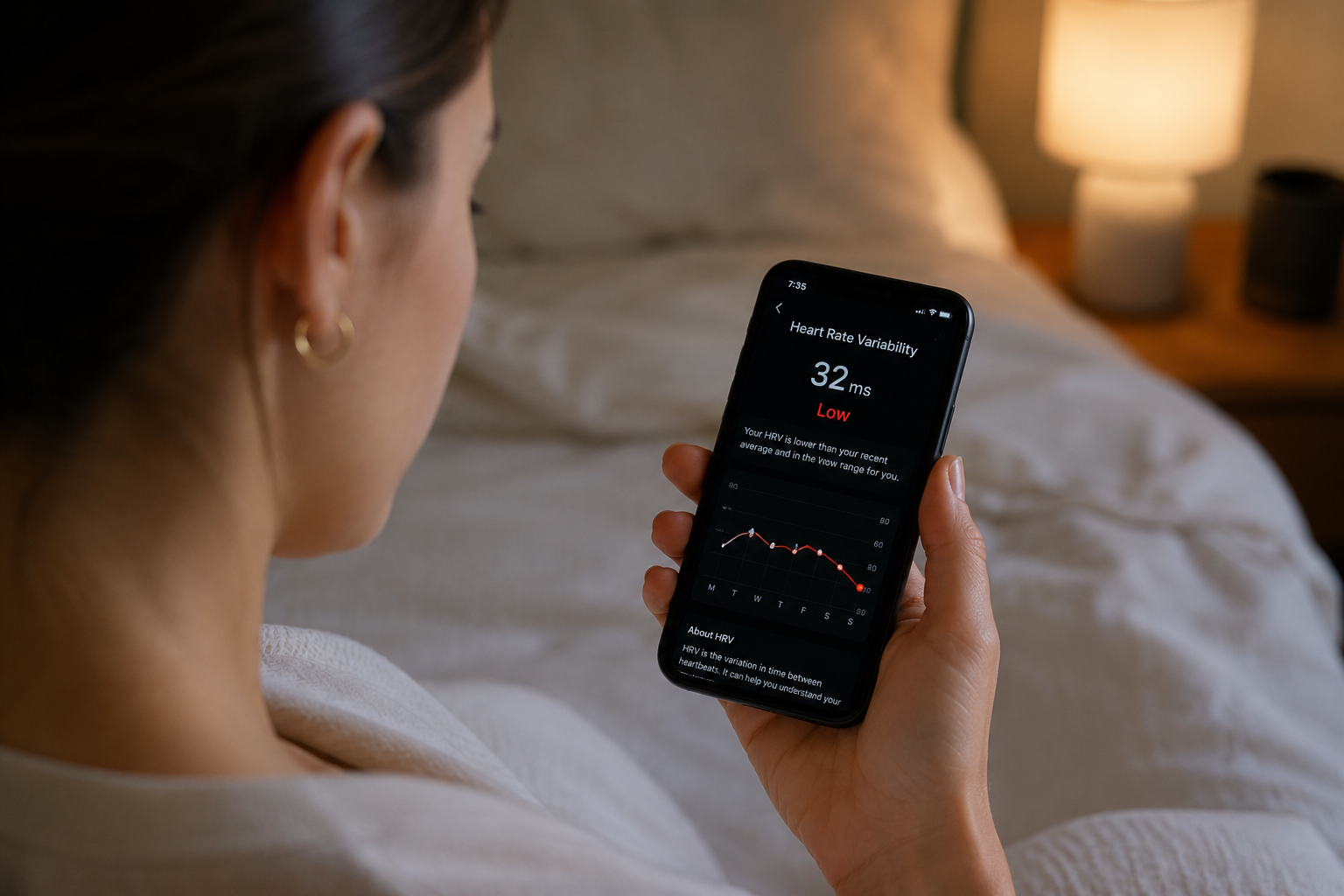
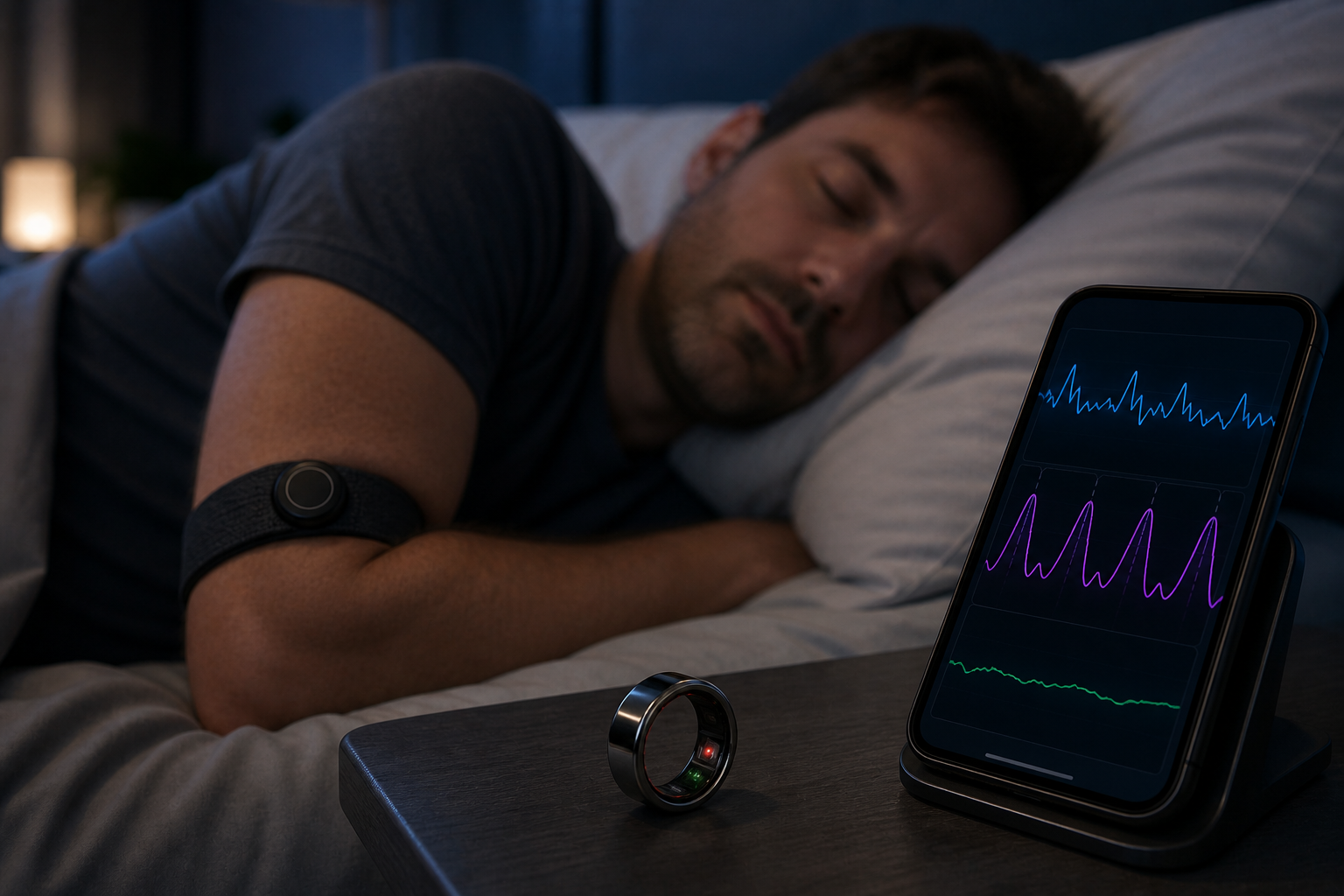
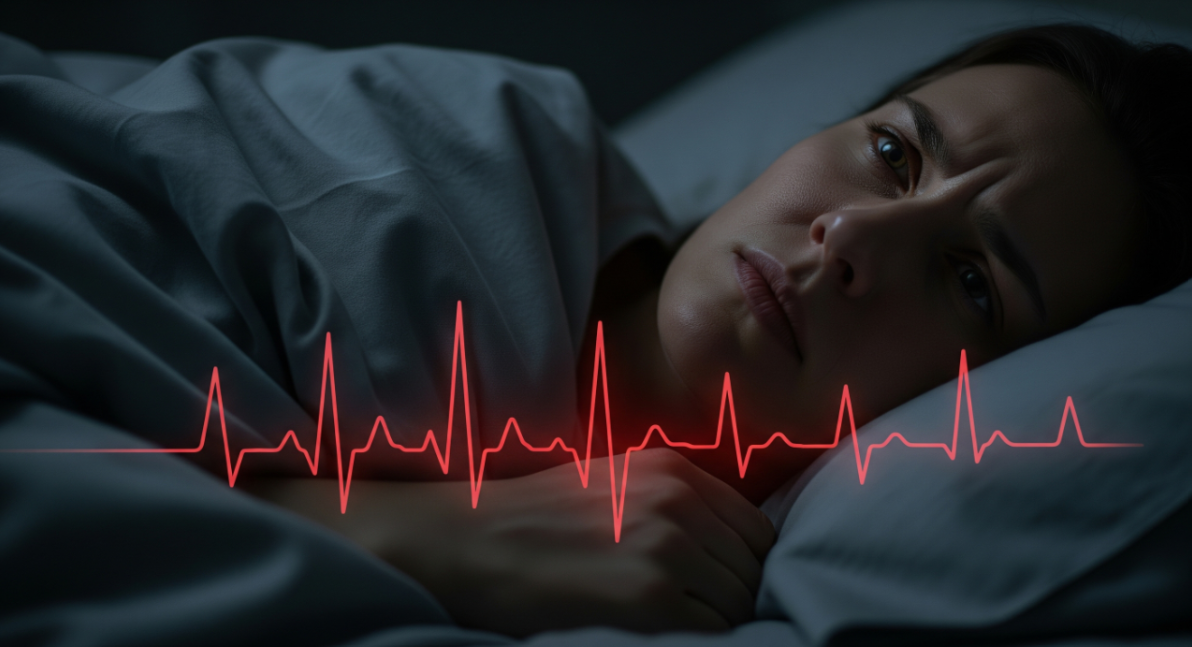
Sleep is not only a time when the brain rests. The cardiovascular and autonomic nervous systems normally shift into a more restorative state during the night. Alcohol can interfere with that process. In a controlled laboratory study, evening alcohol increased nighttime heart rate, reduced heart-rate variability, decreased baroreflex sensitivity, and increased sympathetic nervous system activity. These effects became stronger at higher alcohol doses.[5]
Large real-world wearable datasets have produced similar findings. A 2026 study analyzed more than 5 million person-days from nearly 21,000 adults and found that alcohol consumption was associated with dose-dependent increases in nighttime resting heart rate, reductions in heart-rate variability, shorter sleep duration, and lower physical activity the following day.[6] Drinking earlier was associated with smaller disruptions than drinking later, although this observational finding does not establish a precise “safe” cutoff time.
This may explain why someone can technically spend eight hours in bed after drinking and still wake feeling as though the night was not especially restorative. The body may have been asleep, but its usual nighttime recovery processes were not necessarily functioning in the same way.
Why Alcohol Doesn’t Make a Great Sleep Aid
One of the biggest problems with using alcohol specifically to sleep is tolerance.
In a controlled study of people with insomnia, alcohol initially improved some measures of sleep. After repeated nightly use, however, those effects disappeared within several days. Participants who had received alcohol repeatedly were also more likely to choose alcohol again when later given the opportunity.[13] This illustrates a potential cycle: alcohol seems helpful at first, the body adapts, and increasingly relying on it may provide less benefit while preserving many of the negative effects on sleep.
Sleep and alcohol use can also influence one another in both directions. People who sleep poorly may be more likely to drink in an attempt to relax, while greater alcohol intake can contribute to poorer sleep continuity and feeling less rested the following morning.[14] Among people with alcohol use disorder, sleep disturbances are particularly common and can persist even during abstinence. Poor sleep may also increase the risk of returning to alcohol use during recovery.[15,16]
For chronic insomnia, alcohol therefore treats neither the underlying cause nor the sleep disorder itself. Cognitive behavioral therapy for insomnia, or CBT-I, remains the recommended first-line treatment for chronic insomnia and has also shown benefits in people with co-occurring alcohol use problems.[16]

If You Drink, How Can You Reduce the Impact on Sleep?
From a sleep perspective, less alcohol and greater separation from bedtime are generally better. There is no single number of hours that guarantees alcohol will no longer affect sleep because the answer depends on the dose, body size, metabolism, sex, food intake, medications, and individual physiology. Even after blood alcohol levels fall, changes in sleep physiology may persist.[1,10]
If you choose to drink, finishing earlier in the evening rather than immediately before bed gives the body more time to metabolize the alcohol before sleep. CDC/NIOSH sleep guidance similarly recommends avoiding alcohol near bedtime and, if drinking, having it several hours before going to sleep.[17] Larger amounts are more likely to disrupt REM sleep, breathing, and nighttime cardiovascular function than smaller amounts.[1,3,5]
It is also worth paying attention to why you are drinking. Having a glass of wine socially with dinner is different from regularly needing alcohol in order to fall asleep. If drinking has become part of the nightly strategy for managing insomnia, stress, or anxiety, addressing the underlying sleep problem is likely to be more helpful than increasing the dose.
People with obstructive sleep apnea or significant snoring should be particularly cautious with alcohol near bedtime because of its effects on upper-airway breathing.[3,4] And if insomnia persists for months, causes significant daytime impairment, or is accompanied by increasing alcohol use, that is worth discussing with a healthcare professional.
Conclusion
Alcohol presents an unusual contradiction when it comes to sleep: it can make you feel sleepier while making the sleep itself less normal. Higher doses may help some people fall asleep faster, but even lower doses can delay and reduce REM sleep. As the night progresses, alcohol can contribute to more fragmented sleep, interfere with normal cardiovascular recovery, and worsen snoring or obstructive sleep apnea.[1,2,3,4,5,6]
That does not mean every person who has a drink with dinner will have a terrible night of sleep. Dose, timing, frequency, and individual physiology all matter. But if the goal is truly better sleep, alcohol is a poor substitute for the biological process it seems to imitate. A nightcap may help you feel ready for bed. It does not necessarily help your brain or body sleep better once you get there.