Reviewed by Sahil Chopra, MD.
Research by Savit Malhotra and Quynh Theresa Do.
Introduction
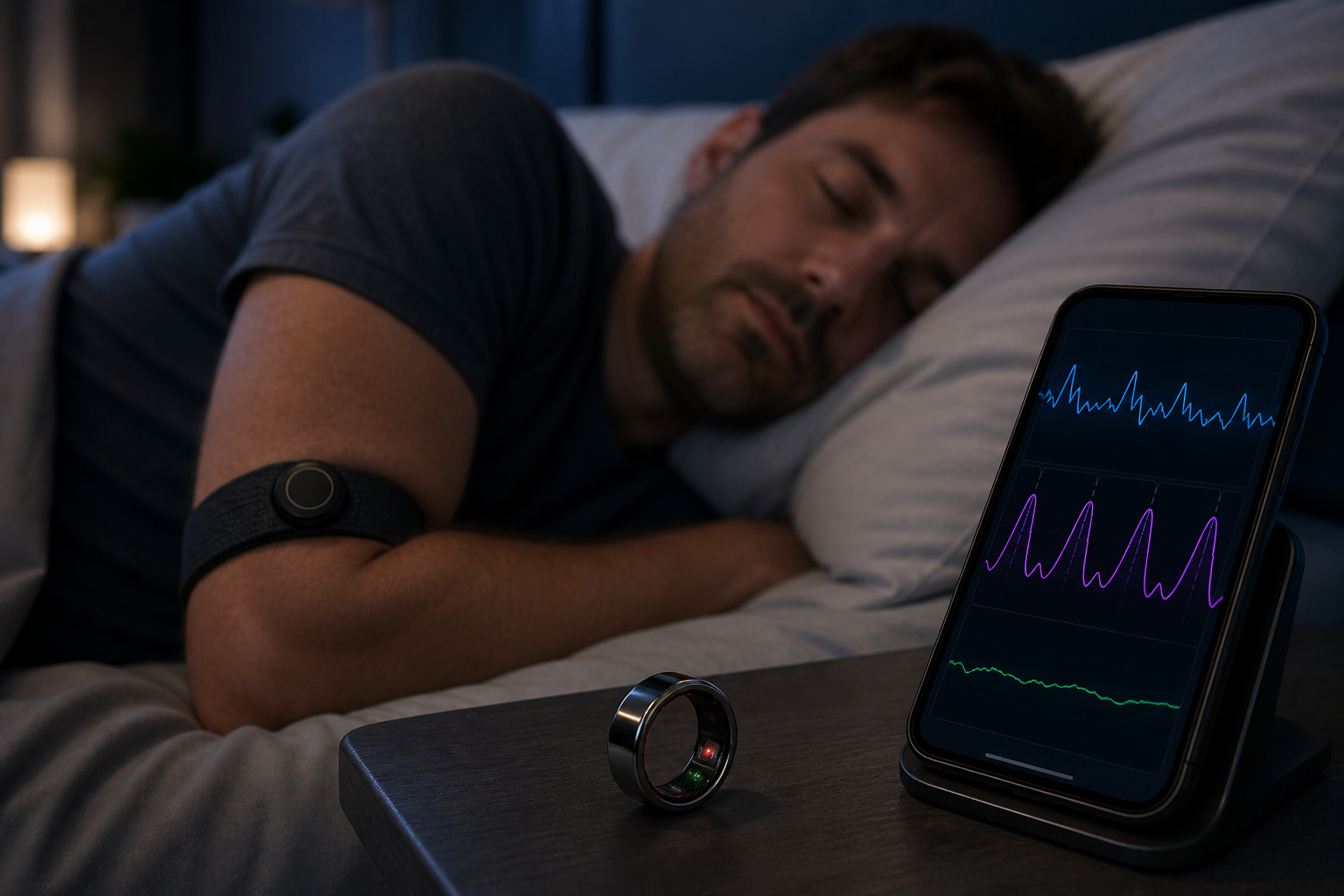
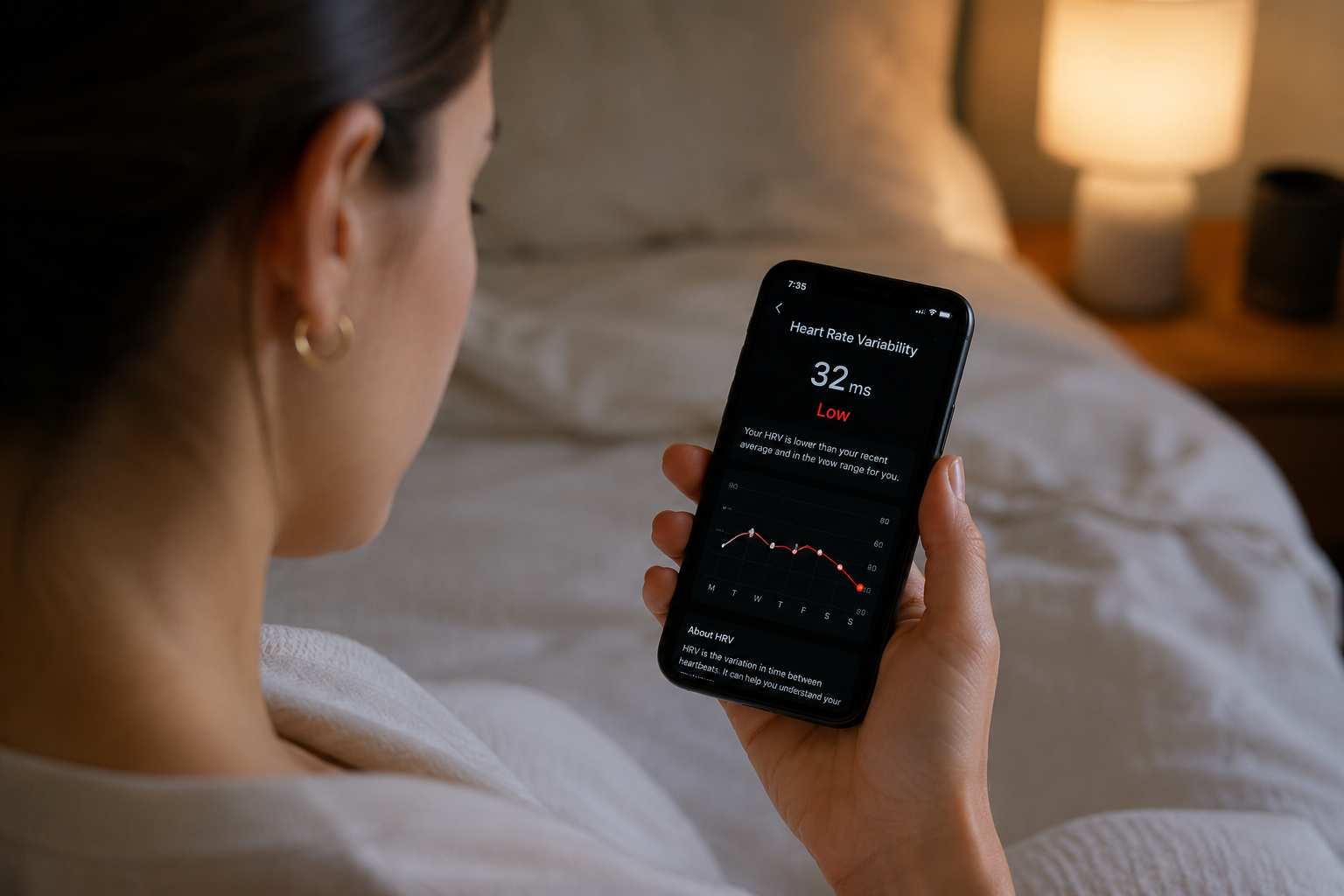
Over the past several weeks, we've spent a lot of time discussing heart rate variability (HRV). HRV has become one of the most widely discussed metrics in health and sleep tracking, with many wearable devices now providing daily HRV scores intended to reflect stress, recovery, and overall autonomic function. But what does a low HRV score actually mean for most people? A low score can understandably cause concern, especially when many platforms emphasize that higher numbers are better. The reality is more nuanced. HRV naturally fluctuates from day to day and can be influenced by factors such as sleep quality, stress, illness, exercise, alcohol consumption, age, sex, and underlying health conditions. Rather than viewing HRV as a standalone measure of health, it is often more useful to interpret it within the context of long-term trends and overall well-being. In this article, we will explore what low HRV may indicate and how to interpret HRV data more effectively.
Why HRV Becomes Low
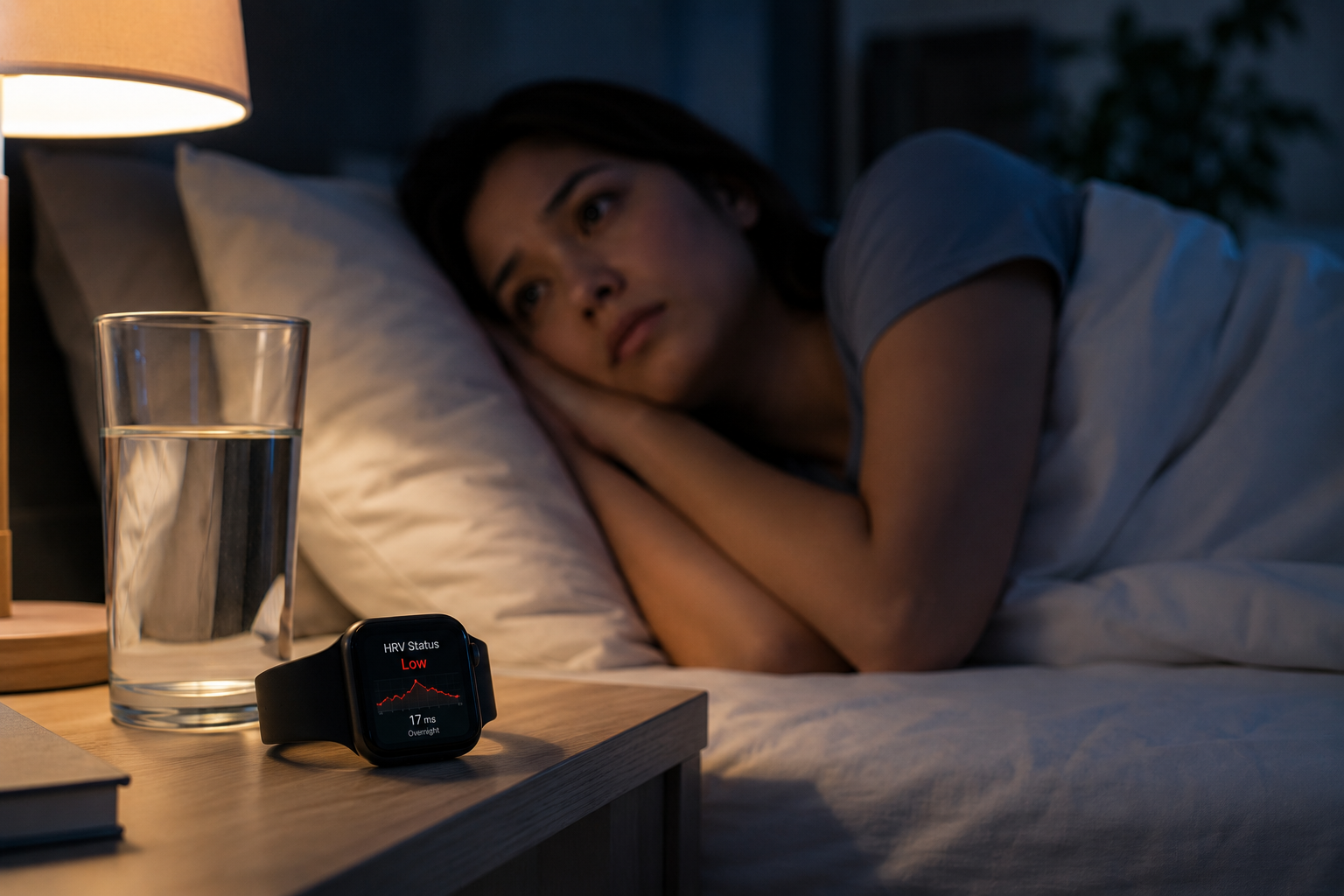
A low HRV often reflects that the body is under greater physiological or psychological strain. One of the most common contributors is stress, which increases sympathetic (the “fight-or-flight”) nervous system activity and can suppress parasympathetic recovery processes.[1] Poor sleep and sleep deprivation are also strongly associated with reductions in HRV, likely because restorative sleep plays a major role in autonomic recovery and cardiovascular regulation.[2] In addition, illness and inflammation can temporarily lower HRV as the body directs energy toward immune and recovery processes.[3]
Lifestyle factors can also significantly influence HRV. Acute alcohol consumption has consistently been associated with reduced HRV and elevated resting heart rate, with research showing that these effects can occur even at moderate doses.[4,5] Physical activity generally improves HRV over time, particularly in people who are untrained or recreationally active, but excessive training without adequate recovery may have the opposite effect and lead to temporary reductions in HRV.[6] However, HRV is highly dynamic and naturally fluctuates day-to-day, meaning that a short-term decrease is not necessarily harmful or abnormal on its own. Persistent downward trends or substantial changes from an individual’s baseline may provide more meaningful insight into overall recovery and physiologic stress.
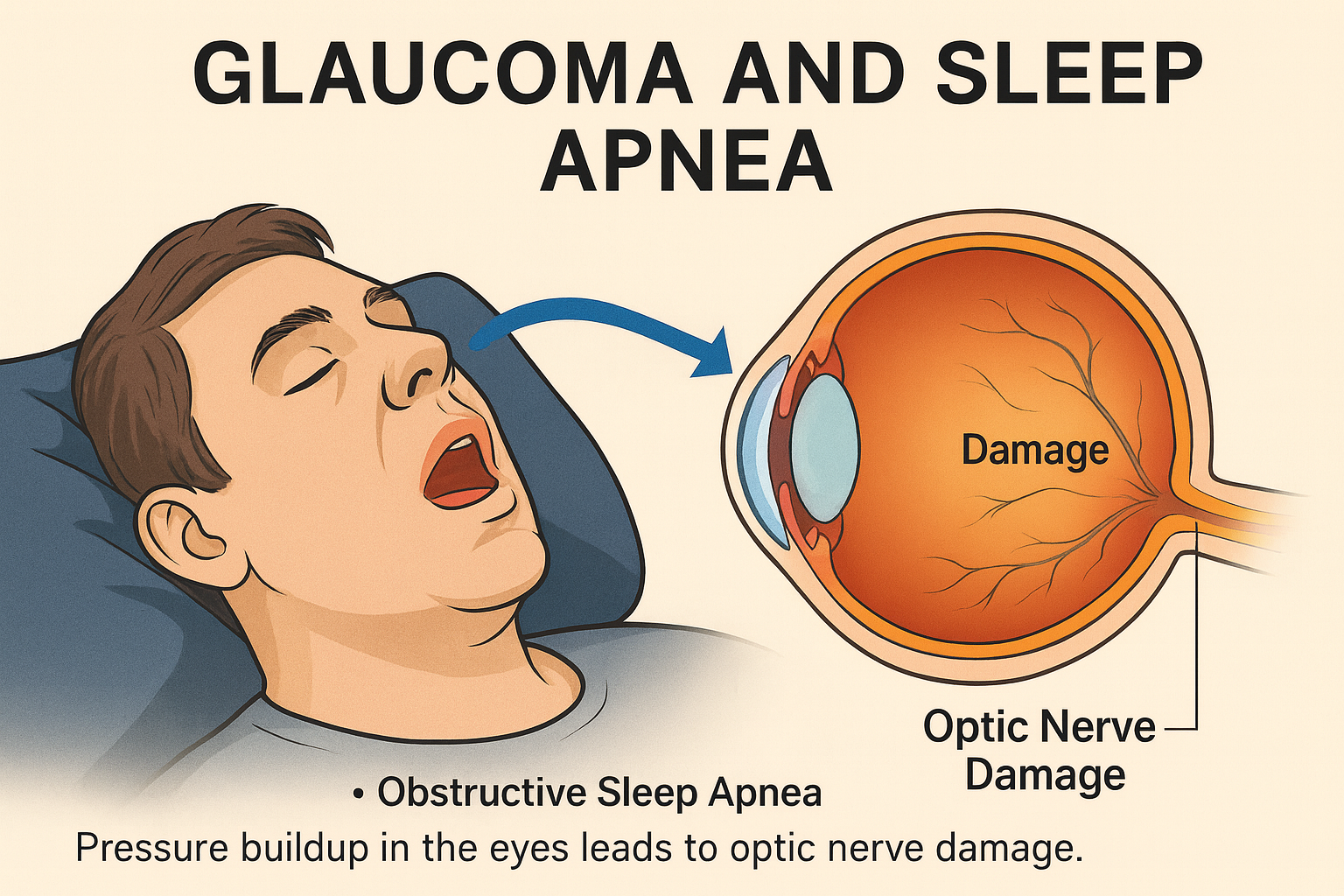
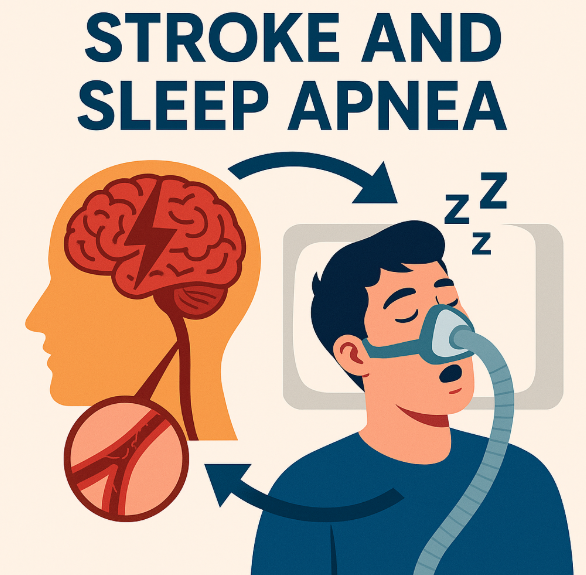
In some cases, low HRV may also be associated with chronic health conditions that affect autonomic nervous system regulation. Cardiovascular disease, metabolic disorders, chronic stress, and sleep disorders such as obstructive sleep apnea (OSA) have all been linked to reductions in HRV.[7,8] Repeated sleep fragmentation and intermittent drops in oxygen levels seen in OSA may contribute to persistent sympathetic nervous system activation, which can negatively impact overnight recovery and cardiovascular function.[8] Importantly, HRV should not be viewed as a diagnostic tool on its own, but rather as one physiologic marker that may help provide insight into how the body is responding to internal and external stressors over time.
What Low HRV Can (and Cannot) Tell You
Using HRV as a metric for your health can provide a useful insight into how the body is responding to stress, recovery demands, and overall physiological strain. However, low HRV should be interpreted within context. To reiterate, a lower-than-usual HRV may suggest that the body is under increased stress from factors such as poor sleep, emotional stress, illness, intense exercise, or inadequate recovery.[2,3] Sustained reductions in HRV may also highlight potential chronic health conditions or ongoing autonomic nervous system imbalance.[9] These are points that can be brought up during a physical exam or a doctor’s visit relating to your sleep health.
At the same time, HRV has important limitations. As mentioned, HRV values vary considerably between individuals. This means that there is no single “ideal” number that applies to everyone. Factors such as age, sex, genetics, fitness level, medications, and even the specific wearable device being used can influence HRV measurements.[6,10,11] Some healthy individuals naturally have lower HRV values, while others may have high HRV despite poor health habits or underlying conditions. Because of this variability, comparing your HRV to someone else’s is often less meaningful than monitoring your own long-term baseline. It is also important to recognize that HRV should not be interpreted in isolation. A single low reading does not necessarily mean that there is a health problem, just as a high HRV does not automatically mean optimal health. Day-to-day fluctuations are expected and are often influenced by temporary lifestyle or environmental factors.[12] Instead, HRV tends to be most valuable when viewed alongside other indicators such as performance and overall symptoms. Looking at trends over weeks or months can provide a clearer picture of recovery and autonomic balance than focusing on isolated daily scores.[10,12]
Conclusion
Low HRV is often a reflection of increased physiological stress, reduced recovery, or changes in autonomic nervous system balance. Throughout the article, we showed how factors such as poor sleep and lifestyle can all contribute to temporary or persistent reductions in HRV. However, because HRV naturally varies between individuals and fluctuates day to day, a low reading alone is not necessarily alarming. Rather than focusing on achieving a specific HRV number, it is generally more useful to pay attention to long-term patterns and how HRV aligns with overall well-being, sleep quality, and energy levels. At Empower Sleep, we are able to look at these patterns through combining objective sleep data with personalized interpretation and clinical advice. Our goal is to help patients identify meaningful patterns, improve sleep quality, and support long-term health and recovery. Begin your sleep journey with Empower Sleep today!


.png)
.png)