Reviewed by Sahil Chopra, MD.
Research by Savit Malhotra and Quynh Theresa Do.
Introduction
In the last blog post of our RLS installment, we will shift our focus to some of the alternative and complementary treatments available for RLS. Oftentimes, people assume that the only way to treat a condition is through medication. Thankfully, this is not the case. Modern medicine has come a long way, and we have been able to develop a number of different techniques to help resolve RLS symptoms, particularly for those with mild to moderate disease. In this article, we will begin going over some of these alternative treatments. Specifically, we will be focusing on lifestyle changes, physical therapy, and exercise approaches to treating RLS.
Lifestyle and Behavioral Modifications
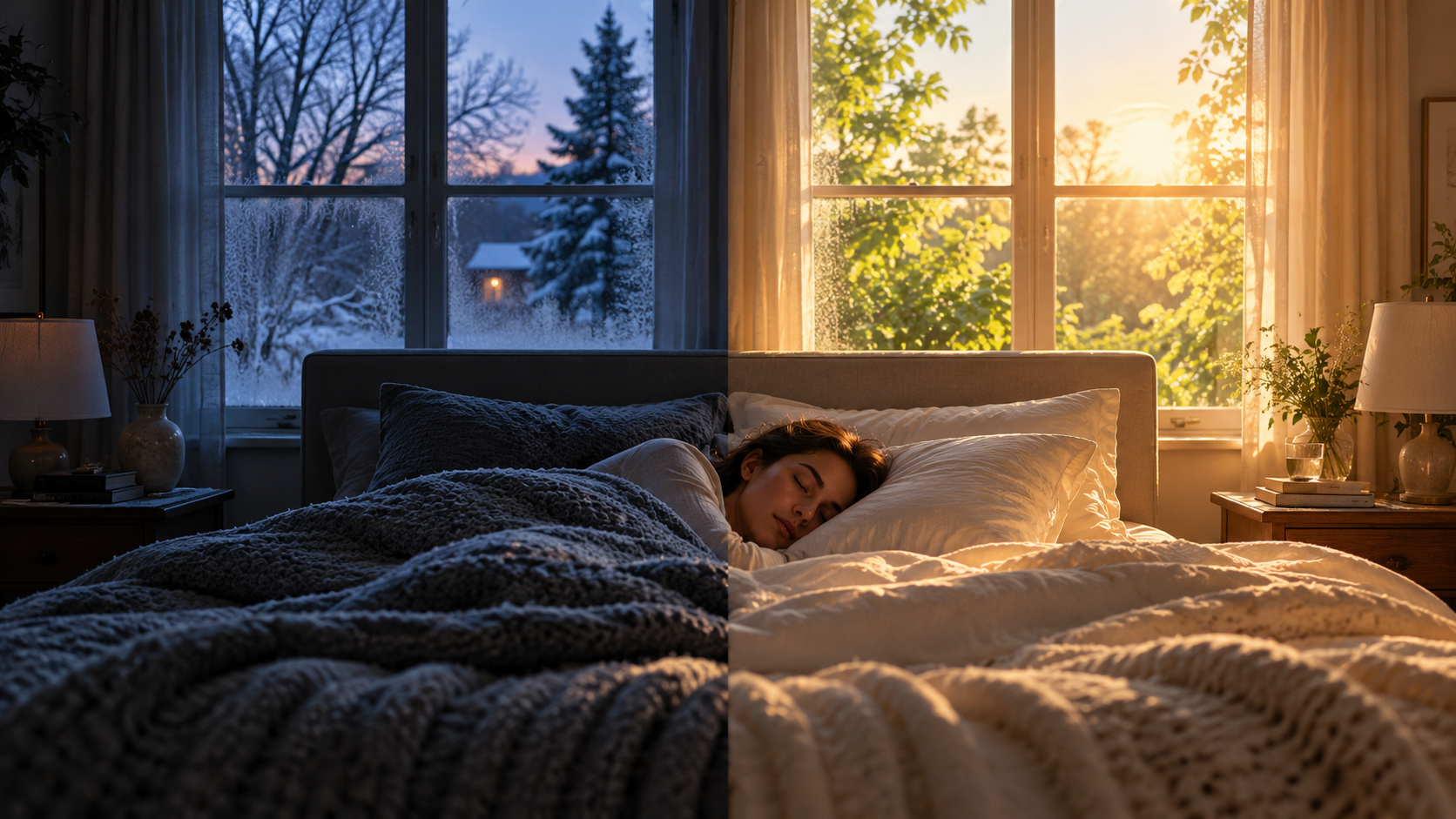
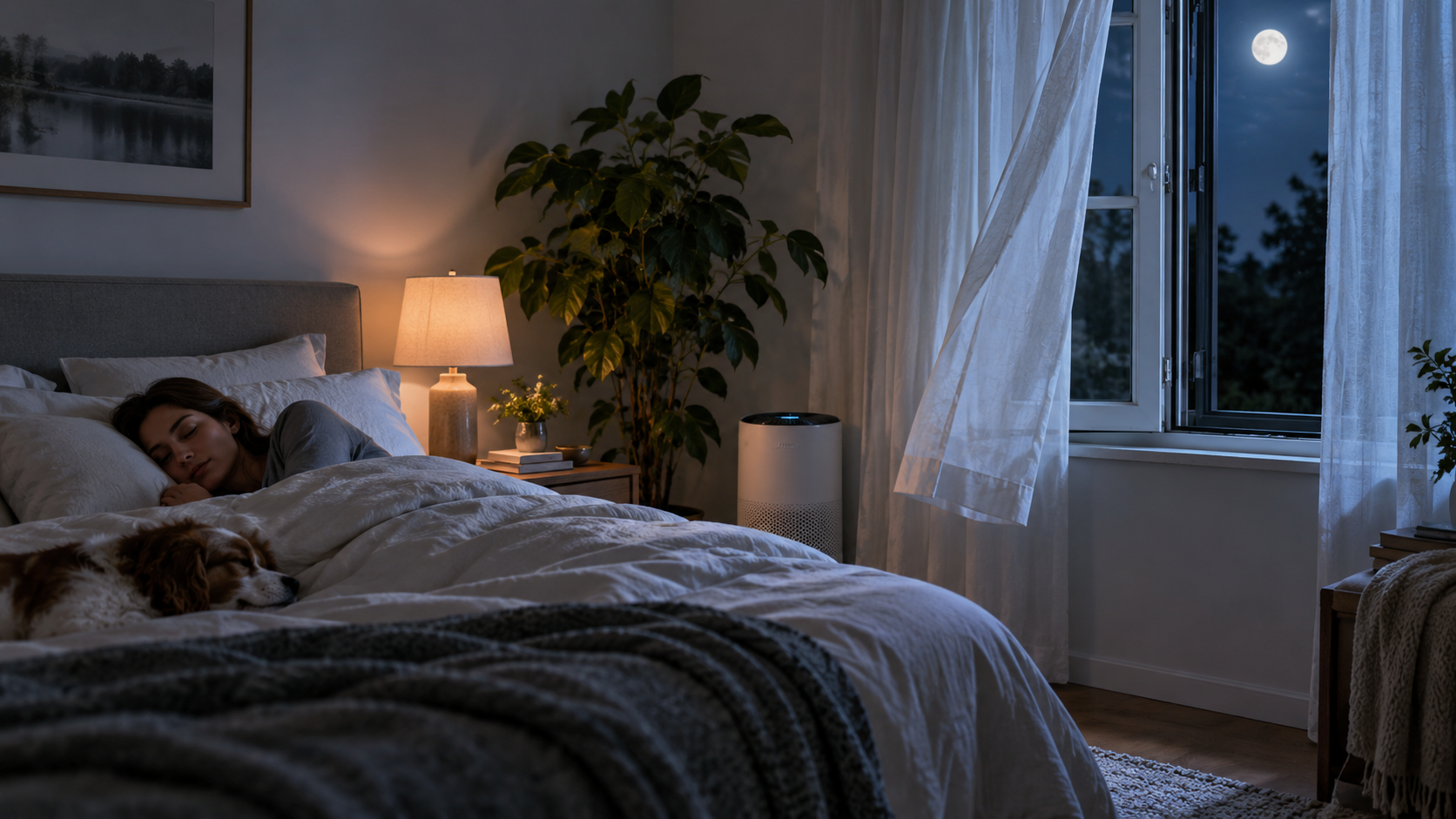
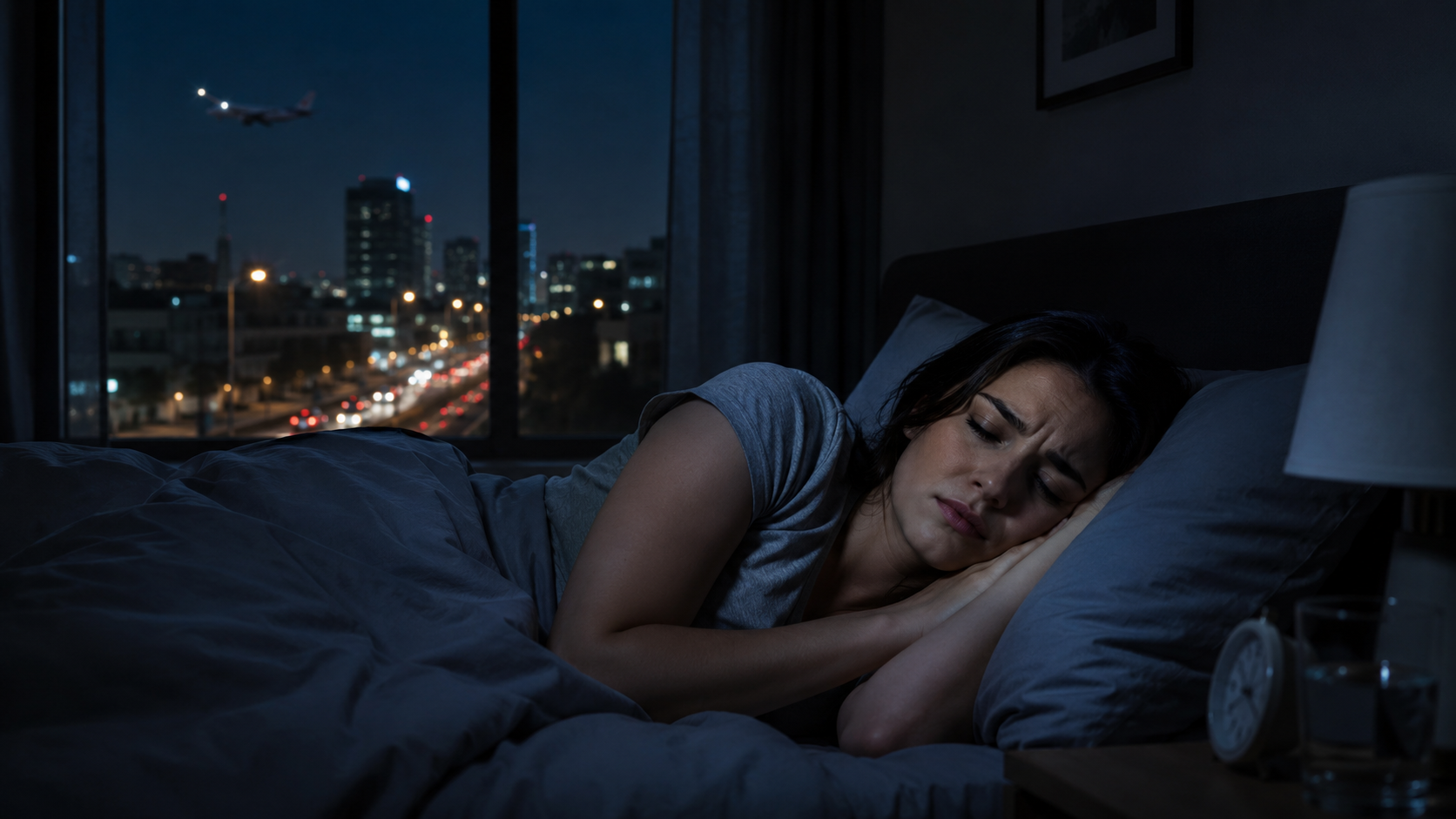
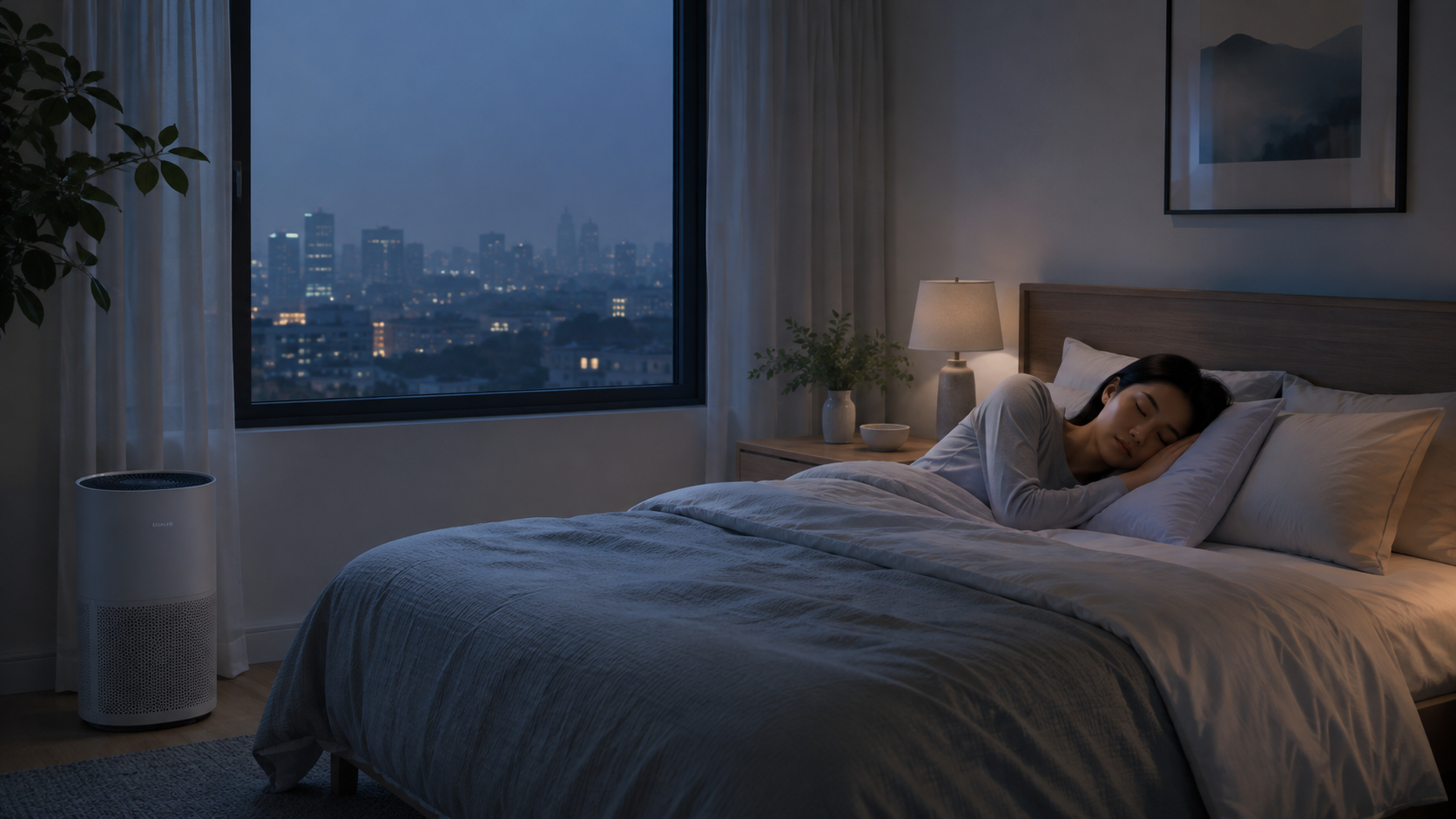
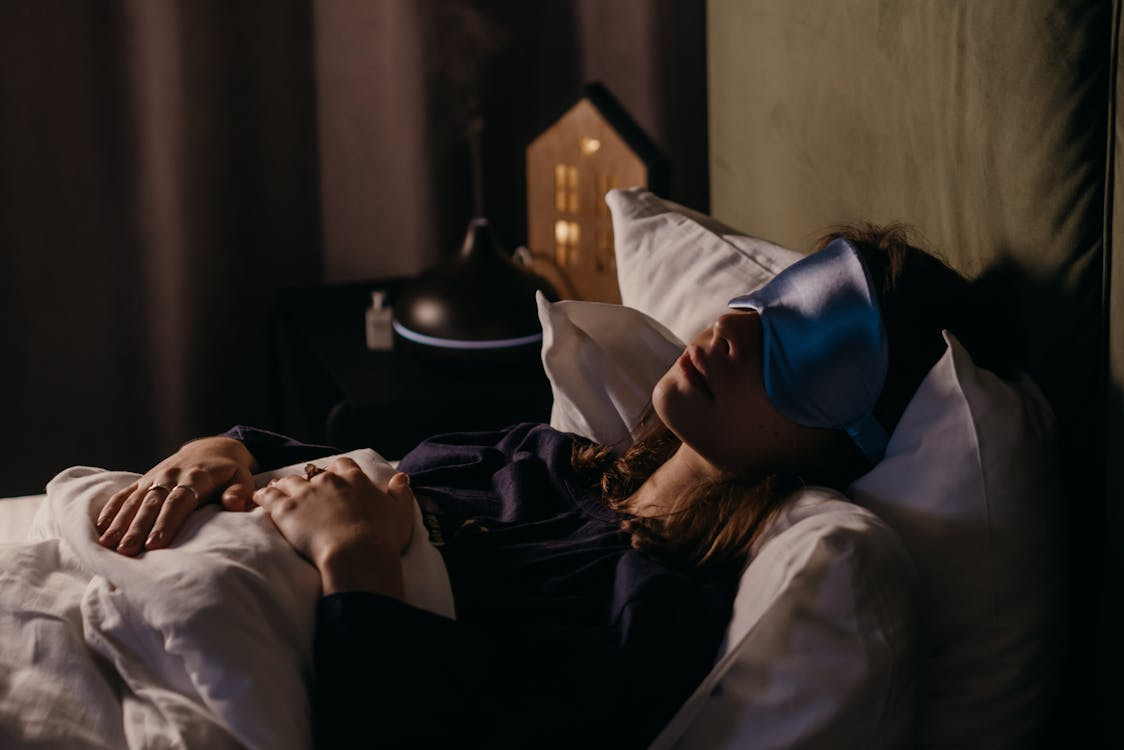
For many individuals with RLS, lifestyle and behavioral modifications are a foundational first step in management, especially for those with mild to moderate symptoms. The current body of literature suggests that simple, non-pharmacologic interventions can meaningfully reduce symptom severity and improve overall sleep quality. Of these, sleep hygiene is one of the most consistently recommended strategies. This includes maintaining a regular sleep schedule, creating a cool and quiet sleep environment, and prioritizing adequate sleep duration. Poor sleep can lead to RLS symptoms becoming worse, which can further worsen sleep. In this way, we see poor sleep and RLS symptoms operating in a cyclical relation, with each reinforcing the other.[1] When it comes to optimizing your sleep routine, try to avoid stimulating activities before bedtime and minimize your exposure to screens. Blue light has been shown to disrupt circadian rhythm and decrease sleep duration/quality.[2] By maintaining good sleep hygiene, one may be able to control their RLS symptoms.
Akin to sleep hygiene, eliminating certain behavioral triggers may help manage RLS symptoms. Substances such as caffeine, alcohol, and nicotine have been shown to worsen RLS symptoms, particularly when consumed in the evening.[3] Irregular sleep schedules, shift work, and high stress levels may further exacerbate symptoms and should be addressed when possible.[3] The field of behavioral sleep medicine exists to help manage these behavioral triggers, especially for chronic disease management.[4]
Nutritional and Dietary Changes
Another lifestyle change that may help relieve some symptoms of RLS is through nutrition and diet. From our previous articles on the importance of iron (such as through oral iron supplements or iron infusions) for managing RLS, it has been established that iron deficiency is a common factor in RLS pathology, and optimizing iron stores is often a first-line treatment. Paying attention to key nutrients such as iron is a place to start when addressing diet. One way to increase iron intake is through iron-rich foods, which include red meat, spinach, and beans to name a few. Iron supplementation is recommended when blood tests show ferritin levels ≤100 ng/mL or transferrin saturation under 20%.[5,6] Maximum symptom benefit may take 1 to 3 months, even with intravenous iron.[7]

Beyond iron, other nutrients have been studied in specific populations. Folate deficiency has been linked to RLS primarily in pregnant women.[8,9] Folate is essential for nerve function and circulation, which may contribute to muscle spasms and nerve irritation when deficient.[10] Foods rich in folate include liver, spinach, and avocado as examples. Vitamins C and E have shown benefit specifically in patients with kidney disease on dialysis.[9] Vitamin C paired with Vitamin E can help the body absorb iron, which is often deficient in those with RLS. While magnesium has been suggested as potentially helpful for muscle relaxation, evidence specifically for RLS is limited.[9] Generally, magnesium is helpful when it comes to cramping symptoms.[10] To ensure that you have enough magnesium, food you would want to include in your meals are nuts (e.g., almonds, cashews, peanuts) whole wheat bread, and brown rice. For all of these nutrients, if you are unable to get enough through your meals or are considering supplementation beyond iron, consider talking to your provider about which supplements would work best for you based on your individual needs and blood test results.
Outside of maintaining nutrition, many individuals with RLS may find relief by eliminating or reducing certain triggers from their diet. As mentioned previously, caffeine can be a trigger for those with RLS if taken before bed. Since caffeine is a stimulant, it can cause restlessness and worsen RLS symptoms.[5] Similarly, alcohol can also interfere with sleep and worsen RLS symptoms as well. Therefore, current recommendations include avoiding both caffeine and alcohol.[11]
Physical Therapy and Exercise
Physical therapy and targeted movement-based strategies offer another effective, non-pharmocologic approach to managing RLS symptoms. These interventions focus on improving circulation, reducing neuromuscular tension, and promoting more stable sensory signaling in the lower limbs.[12] Structured exercise therapy is one of the most supported approaches. Clinical studies have shown that moderate intensity aerobic exercise combined with lower-body resistance training can significantly reduce RLS symptom severity. One such study found that symptom scores for patients with RLS improved following programs that included activities like walking, cycling, and leg strengthening exercises performed 3 times per week.[13,14] The current hypothesis is that these exercises lead to improved dopaminergic function, enhanced blood flow, and reduced peripheral nerve excitability.
Aside from physical therapy, regular physical activity itself is another key intervention. Studies have shown that moderate, consistent exercise (especially aerobic activity) can significantly reduce RLS symptoms.[15] However, one thing to keep in mind is that while daytime or early evening exercise is beneficial, vigorous activity close to bedtime may actually worsen symptoms.[16] Aside from vigorous exercise, stretching, walking, leg massage, and the use of heat or cold therapy can also provide additional relief, though usually short-term.[16] For example, targeted stretching routines, especially in the calves, hamstrings, and quadricep, are especially recommended. This is because stretching before bedtime may help reduce the uncomfortable sensations that characterize RLS and can decrease symptom onset latency.[17]
Relaxation techniques, including yoga and meditation, may further help by reducing stress and improving sleep quality. One study, which looked at 10 women aged 32-66, found that those who attended yoga classes demonstrated “striking reductions in RLS symptoms and symptom severity…” showing that yoga can help manage symptoms.[18] Another study found that adults with moderate to severe RLS who participated in a 12-week yoga program showed significantly greater reductions in RLS symptoms and severity compared to an educational control group, with 77% of yoga participants improving to minimal or mild symptoms.[19] However, these were relatively small studies, and larger trials are needed to confirm these findings.[9]
It is important to note that these therapies are often recommended as adjunctive measures, though they can stand alone in some cases. While their efficacy remains strong, adding additional measures can lead to even greater benefits. Nevertheless, physical therapy for RLS can help people manage their symptoms and reinforces the broader principle that movement itself can be therapeutic in neurologic and sleep-related conditions.

Conclusion
As we conclude our series on RLS, we want to leave our readers with some final thoughts. While RLS is a complex condition, pharmacological interventions are not the only way to manage the condition (though they are among the most effective treatments).[3] When it comes to the long-term management of RLS, alternative therapies can greatly help manage symptoms with minimal pharmacological intervention. This is especially true for mild-to-moderate cases of RLS. RLS is not solely a condition managed with medication. Instead, lifestyle, behavioral, nutritional, and physical modifications can help you navigate through your symptoms. We encourage you to explore some of these alternative treatments, and the team here at Empower Sleep is always ready to help you figure out a plan that works best for you!


.png)
.png)