Reviewed by Sahil Chopra, MD.
Research by Savit Malhotra and Quynh Theresa Do.
Introduction
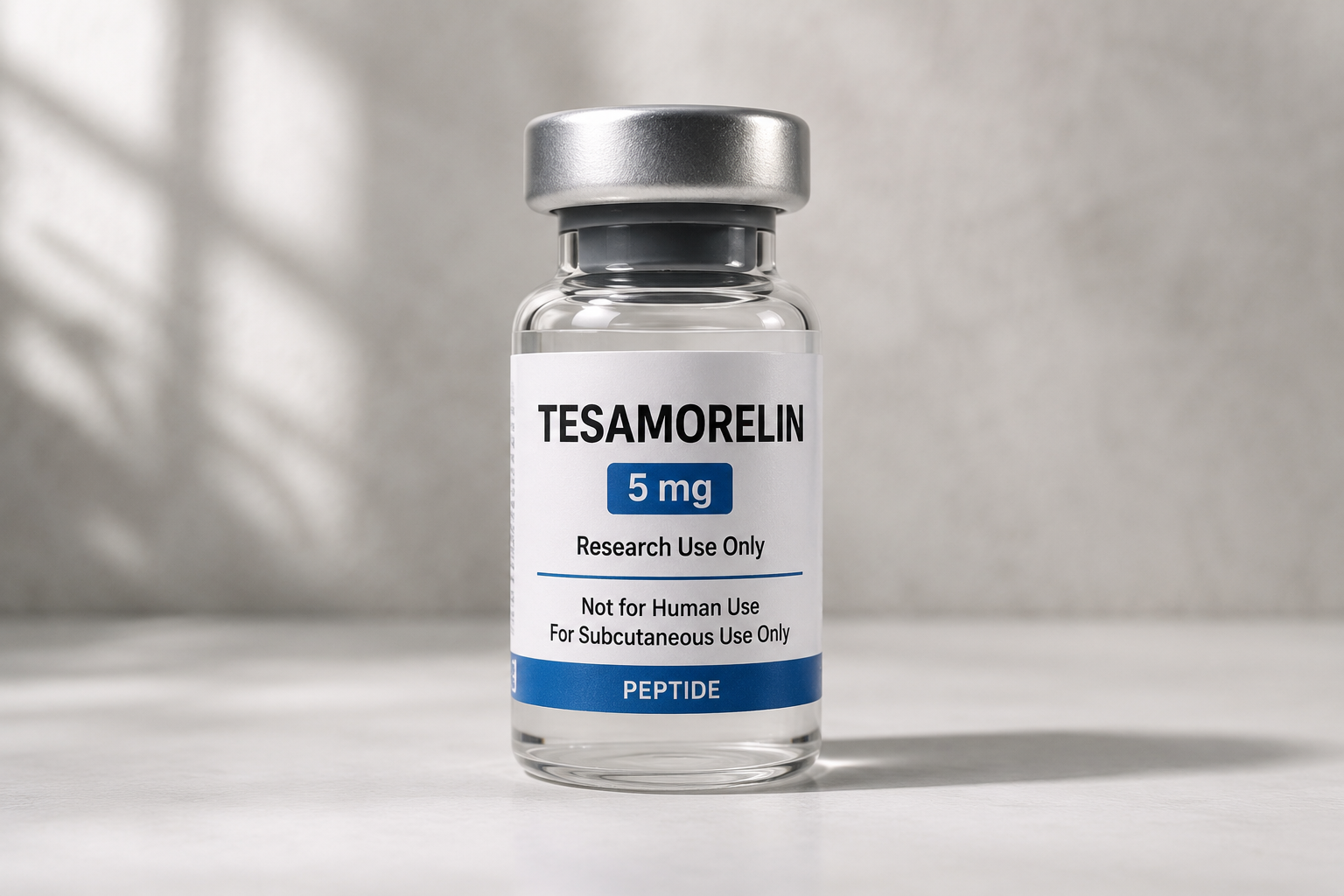
As we continue discussing the numerous peptides that are available and their effects on sleep, we now find ourselves landing on Tesamorelin. Tesamorelin has recently gained attention within the longevity, metabolic health, and sleep communities because of its ability to stimulate the body's natural production of growth hormone. Unlike directly administering growth hormone, tesamorelin is a synthetic analogue of growth hormone-releasing factor (GRF), also known as growth hormone-releasing hormone (GHRH), allowing it to work with the body's natural hormonal pathways. However, it is important to note that Tesamorelin is approved by the Food and Drug Administration only for the reduction of excess abdominal fat in HIV-infected adult patients with lipodystrophy. Thus, the current use of Tesamorelin in sleep is still being explored. In this article, we will discuss the history of Tesamorelin as well as the biological mechanisms behind its potential for sleep. However, it is important to note that while the relationship between Tesamorelin and sleep is plausible based on the leading hypothesis (discussed below), the current evidence remains limited, and further research is needed to properly evaluate its effectiveness.
The History of Tesamorelin
Tesamorelin was first developed by the Canadian biotechnology company Theratechnologies as a synthetic analogue of human growth hormone-releasing factor (GRF).[1] It consists of the full 44-amino acid sequence of GRF with a trans-3-hexenoic acid (hexenoyl) group attached, a modification designed to stabilize the peptide.[2] Because of this modification, Tesamorelin potentially has a longer duration of action after it is injected.[3] When Tesamorelin was first being developed, efforts focused primarily on treating HIV-associated lipodystrophy (a condition where there is abnormal fat distribution and excessive accumulation of visceral adipose tissue in individuals receiving antiretroviral therapy).[4,5,6] In November 2010, the FDA approved Tesamorelin under the brand name Egrifta after Phase III clinical trials demonstrated that Tesamorelin significantly reduced visceral adipose tissue without affecting subcutaneous adipose tissue to a clinically significant extent. An updated single-vial formulation was later marketed as Egrifta SV, with comparable bioavailability to the original product.[7,8]
Since then, although Tesamorelin remains FDA-approved only for HIV-associated lipodystrophy, ongoing research has expanded into areas such as metabolic dysfunction-associated steatotic liver disease (MASLD), cognitive function, and healthy aging.[4,9] Regarding cognitive function, a 2025 Phase 2 randomized trial found that while tesamorelin reduced waist circumference, cognitive benefits did not significantly differ between the tesamorelin and control groups.[7] One reason researchers have also looked at sleep, which we will discuss further below, is that growth hormone secretion is closely linked to slow-wave sleep, raising questions about whether enhancing endogenous growth hormone release could also influence sleep architecture and recovery.

How Does Tesamorelin Work?
Tesamorelin works by mimicking the action of GHRH. After Tesamorelin is administered to the body (typically through an injection into the abdomen), it binds to receptors in the pituitary gland, stimulating the release of the body’s growth hormone. Unlike direct growth hormone therapy, which introduces growth hormone from an external source, Tesamorelin encourages the body’s own growth hormone production pathways to remain active.[10] Once released, growth hormone stimulates the production of insulin-like growth factor 1 (IGF-1), primarily in the liver and also in other tissues throughout the body. Together, growth hormone and IGF-1 help regulate metabolism, muscle maintenance, and fat utilization.[10,11]
Generally speaking, growth hormone and sleep have been linked to impact one another. In healthy adults, a major pulse of growth hormone release typically occurs shortly after falling asleep, in temporal association with the first period of slow-wave sleep, also known as deep sleep.[12] In men, approximately 70% of daily growth hormone output occurs during early sleep, though in women this contribution is lower and more variable.[10] Deep sleep is important for physical recovery, immune function, memory consolidation, and overall health.[13,14] Since Tesamorelin increases the body’s own growth hormone secretion, researchers have explored whether it may influence sleep-related processes by increasing growth hormone. Studies of GHRH itself (rather than Tesamorelin specifically) have found that episodic administration of GHRH can increase slow-wave sleep and reduce time spent awake in healthy volunteers.[15] Furthermore, disruptions in growth hormone signaling have been associated with poorer sleep quality.[16,17] However, evidence specifically examining Tesamorelin's effects on sleep remains limited.
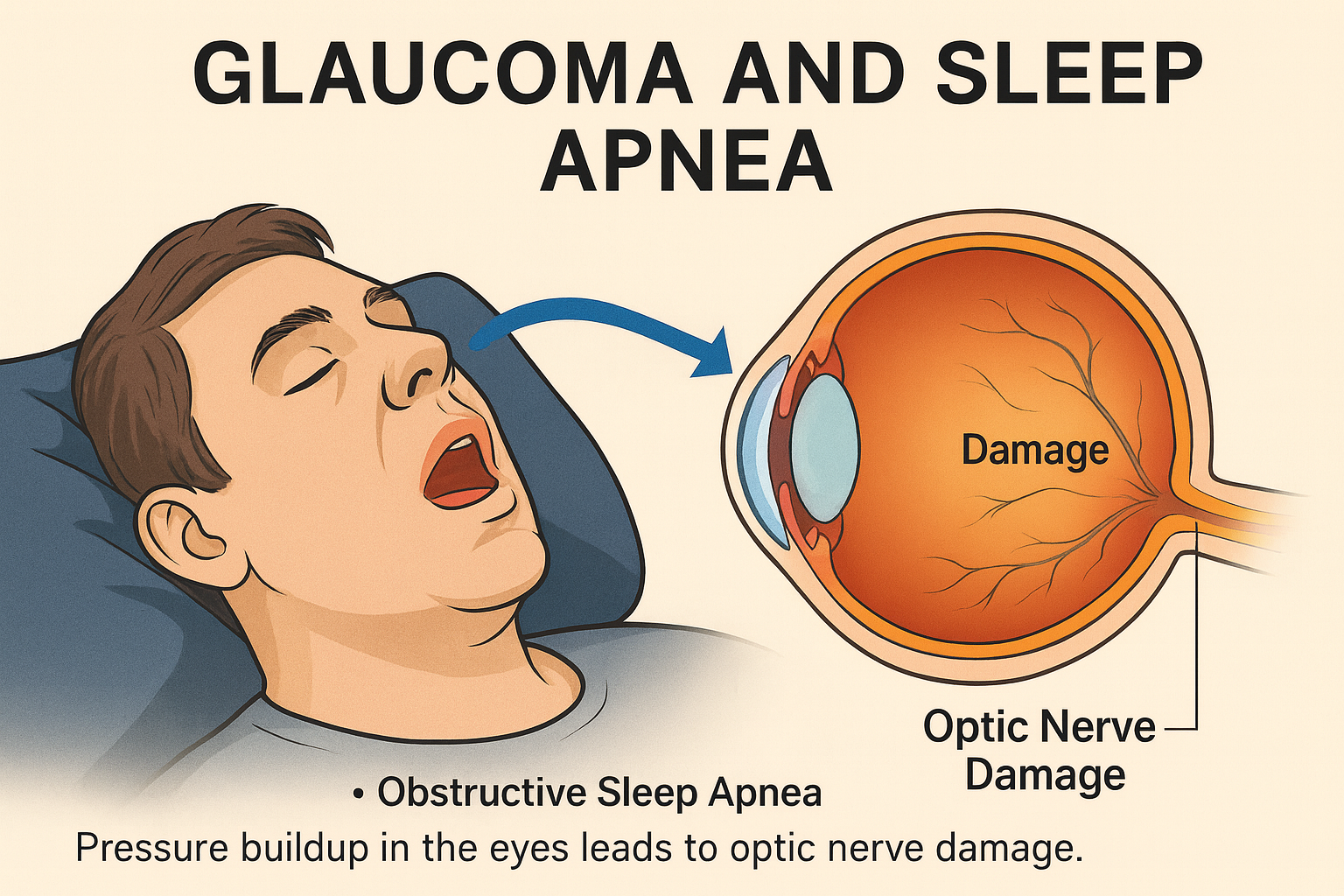
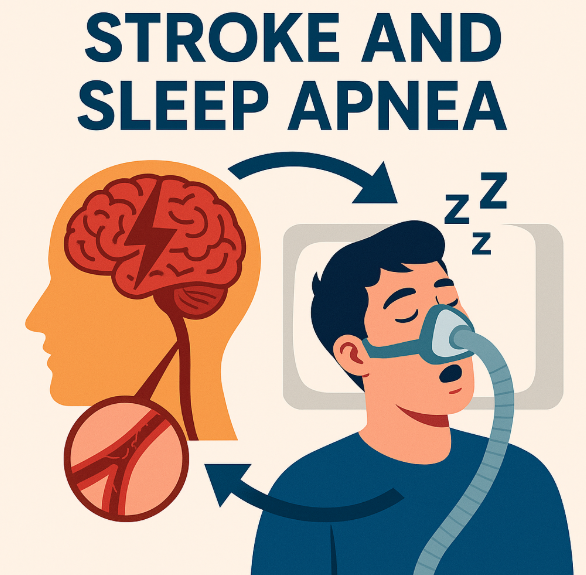
One of Tesamorelin's most well-established effects is its ability to reduce visceral fat. Visceral fat is metabolically active and can contribute to inflammation and cardiometabolic disease risk.[18] By increasing growth hormone levels, Tesamorelin promotes the breakdown of stored fat, a process known as lipolysis. Clinical studies have demonstrated reductions in visceral fat volume among treated individuals, particularly those with HIV-associated lipodystrophy. Clinical studies have demonstrated reductions in visceral fat volume among treated individuals, particularly those with HIV-associated lipodystrophy.[19] However, clinical trials have also shown that visceral fat tends to reaccumulate after Tesamorelin is discontinued.[20] Previously, researchers have also investigated whether improvements in metabolic health may indirectly influence sleep. Excess visceral fat, particularly central obesity, has been associated with sleep disturbances and is considered one of the most significant risk factors for obstructive sleep apnea.[18,21] While Tesamorelin has not been approved as a treatment for sleep disorders, these relationships continue to be an area of active research.
Limitations of Current Research
Most clinical trials on Tesamorelin have focused on body composition, metabolic health, or HIV-associated lipodystrophy rather than sleep outcomes.[19,20] As a result, researchers do not yet know whether Tesamorelin directly improves sleep quality in healthy individuals or in people with sleep disorders. In addition, many of the potential benefits discussed in longevity and wellness communities have not yet been confirmed in large, long-term clinical trials. As with any hormone-modulating therapy, Tesamorelin may cause side effects. The most commonly reported adverse reactions (occurring in more than 5% of patients) include joint pain, injection site reactions such as redness and itching, pain in the extremities, swelling, and muscle pain. The FDA label also includes warnings about fluid retention (which can cause edema, joint pain, and carpal tunnel syndrome), glucose intolerance or diabetes, elevated IGF-1 levels that require monitoring, increased risk of neoplasms or abnormal cell growth (because Tesamorelin stimulates the release of growth hormone, it is contraindicated in patients with active malignancy), hypersensitivity reactions, and increased mortality risk in critically ill patients (a class-effect warning related to growth hormone-releasing products generally).[10] Further research is needed to better understand how Tesamorelin influences sleep, recovery, and long-term health outcomes.
Conclusion
Tesamorelin is a synthetic peptide that stimulates the body's natural release of growth hormone. Originally developed to reduce excess visceral fat in people living with HIV-associated lipodystrophy, it has since attracted broader interest for its potential effects on metabolism, body composition, and healthy aging. While studies of GHRH suggest it can promote slow-wave sleep, evidence directly linking Tesamorelin to improved sleep remains limited. As research continues, scientists hope to better understand the relationship between Tesamorelin, growth hormone regulation, and sleep. For now, Tesamorelin remains a medically prescribed therapy with specific approved uses, and its role in sleep health has yet to be clearly established.


.png)
.png)