Reviewed by Sahil Chopra, MD.
Research by Savit Malhotra
Introduction
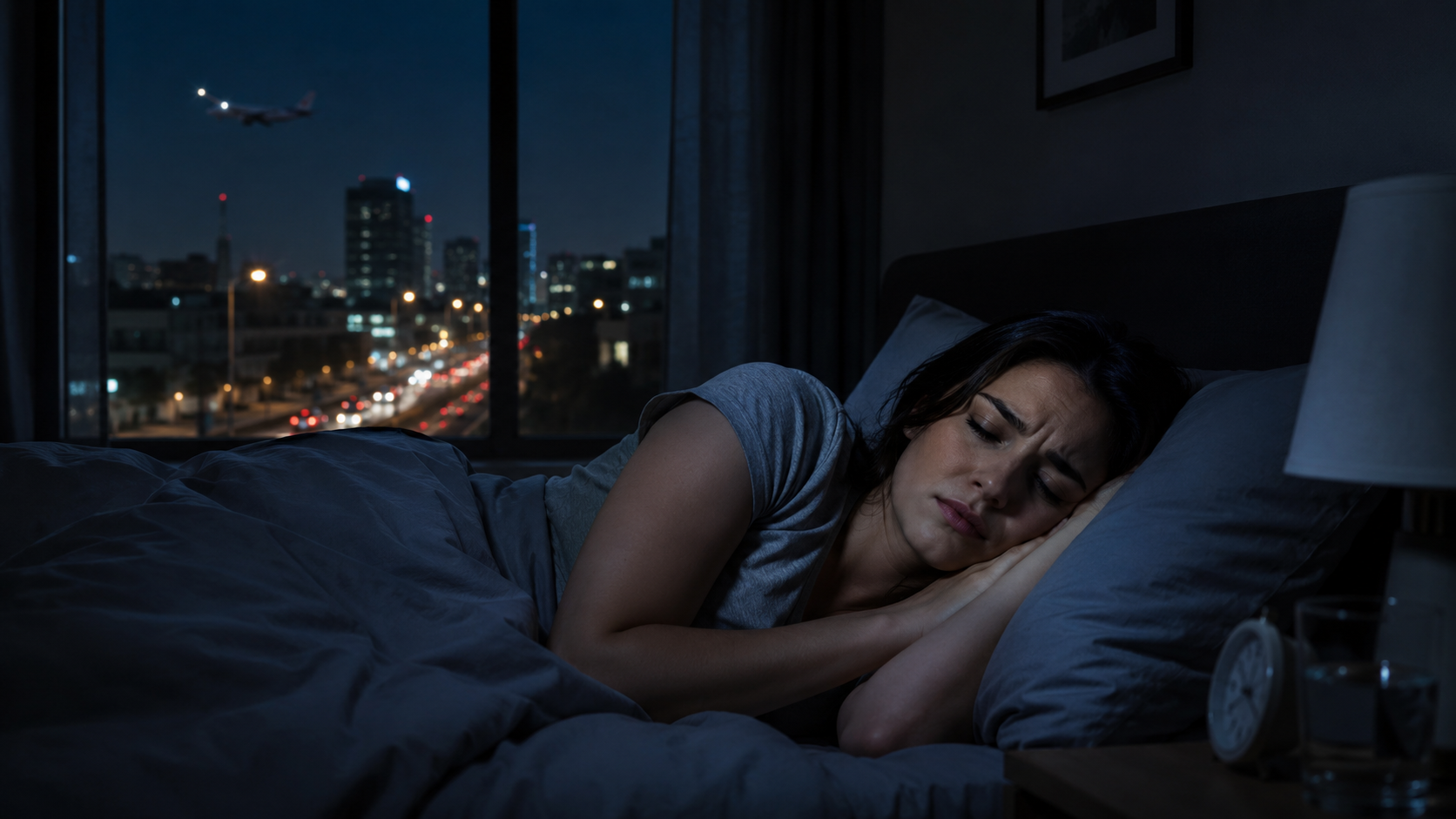
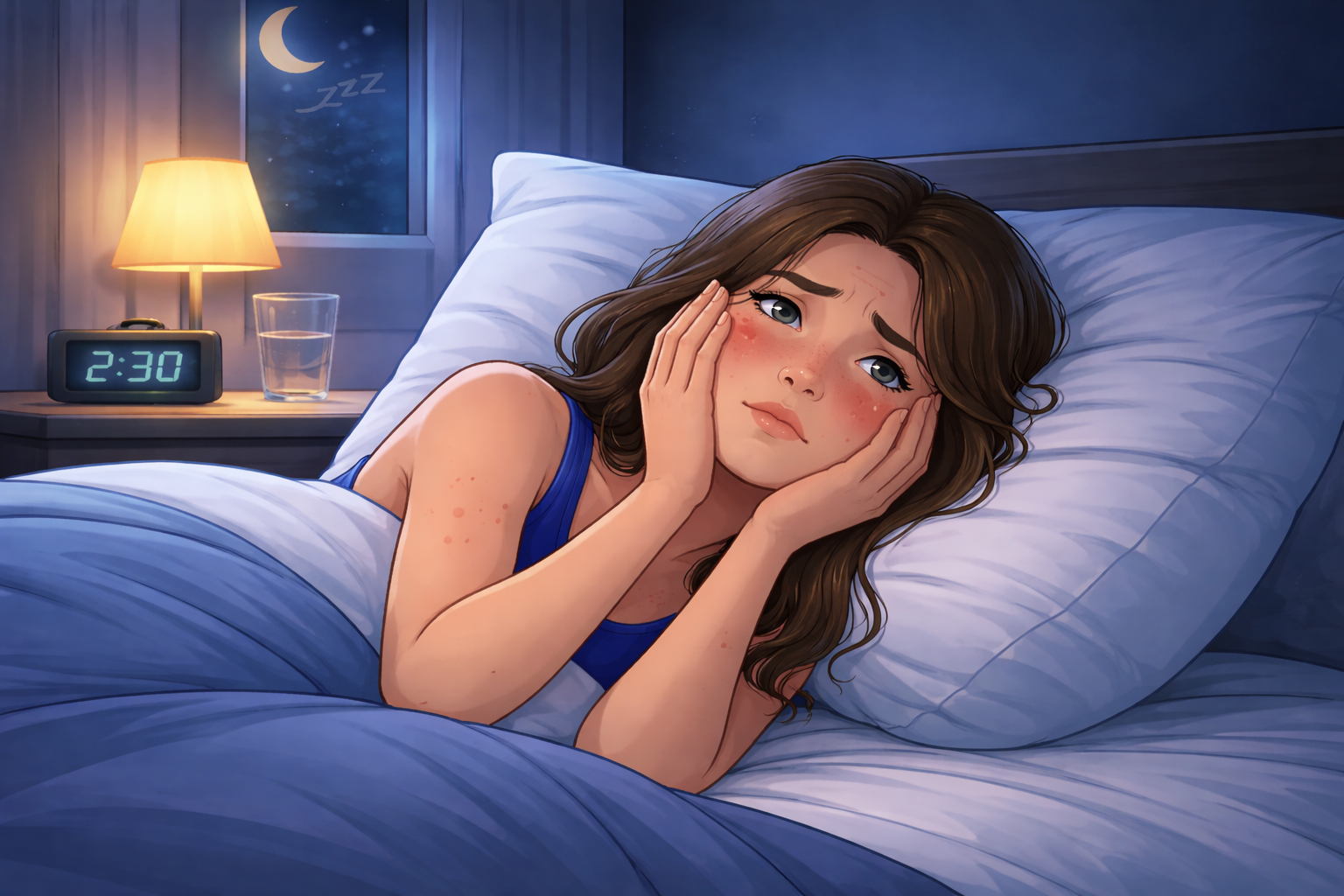
For most of human history, nighttime meant darkness. Today, streetlights, illuminated buildings, billboards, headlights, and glowing screens can make true darkness surprisingly difficult to find. Although artificial lighting has transformed modern life, exposure to light after sunset can also interfere with one of the body’s most important environmental signals: the natural cycle between light and darkness. Research increasingly suggests that artificial light at night can alter circadian rhythms, affect melatonin production, and change when and how we sleep.[1,2] Yet, the impact of light pollution on sleep is still something that not many people consider when they first begin trying to figure out what is disrupting their sleep. In this article, we will break down the effects of light at night and why it is important to maintain a dark environment while you sleep.
What Is Light Pollution?
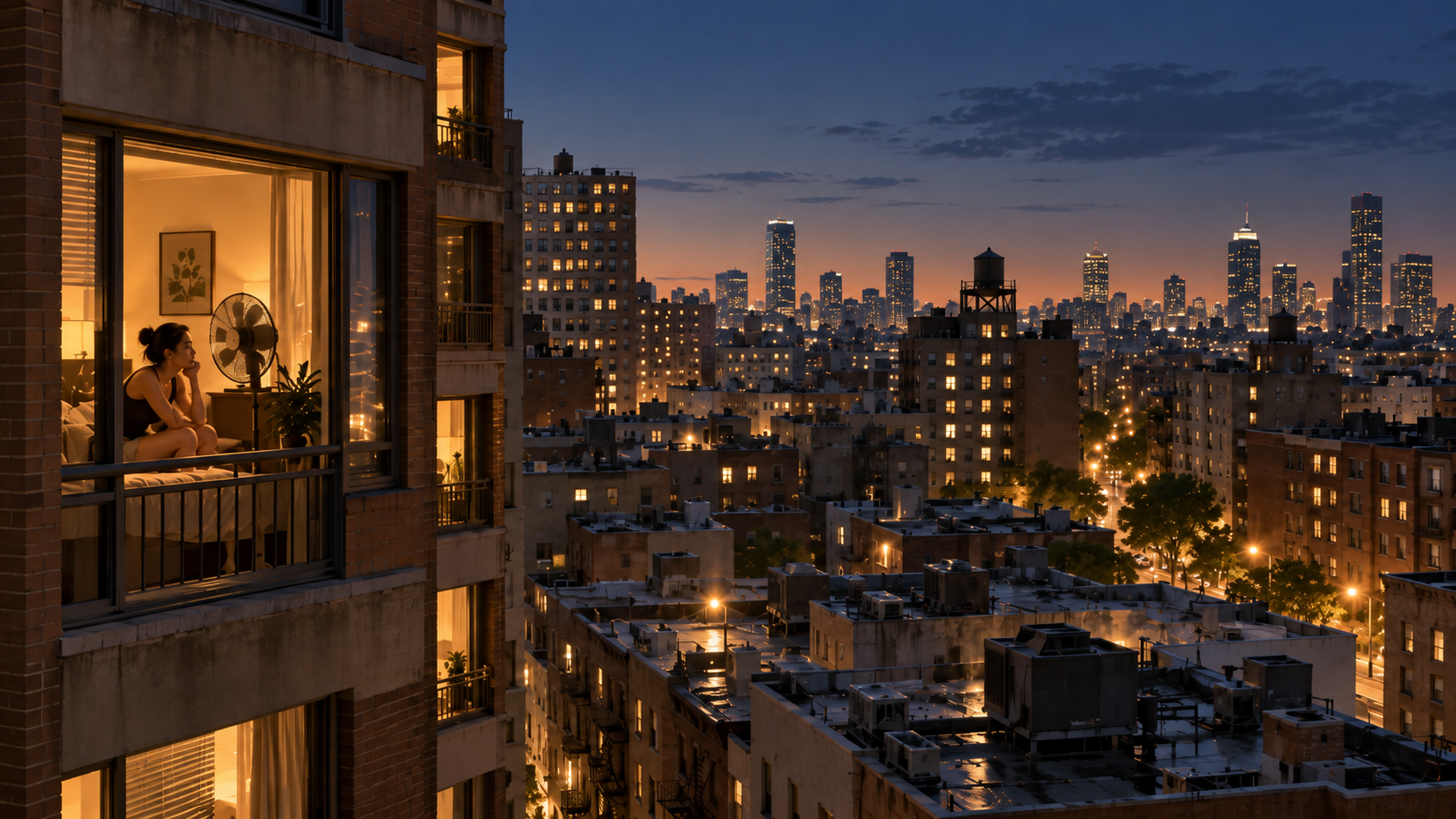
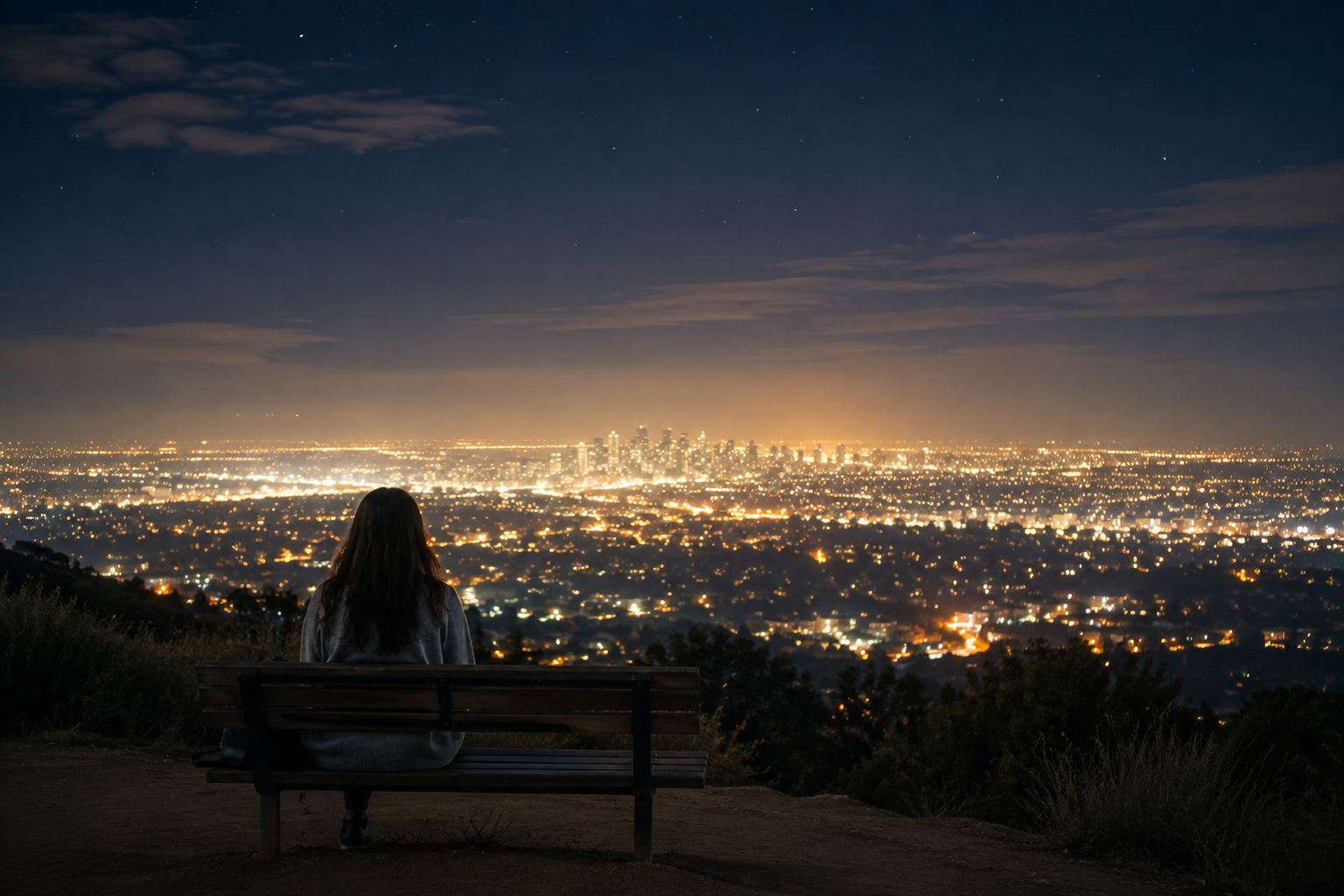
Light pollution generally refers to excessive or poorly controlled artificial light at night. It can come from streetlights, homes, office buildings, parking lots, signs, sports facilities, and other sources that brighten the nighttime environment. In cities and suburbs, this artificial glow can extend far beyond the source itself, creating what is sometimes called skyglow and reducing the natural contrast between day and night.
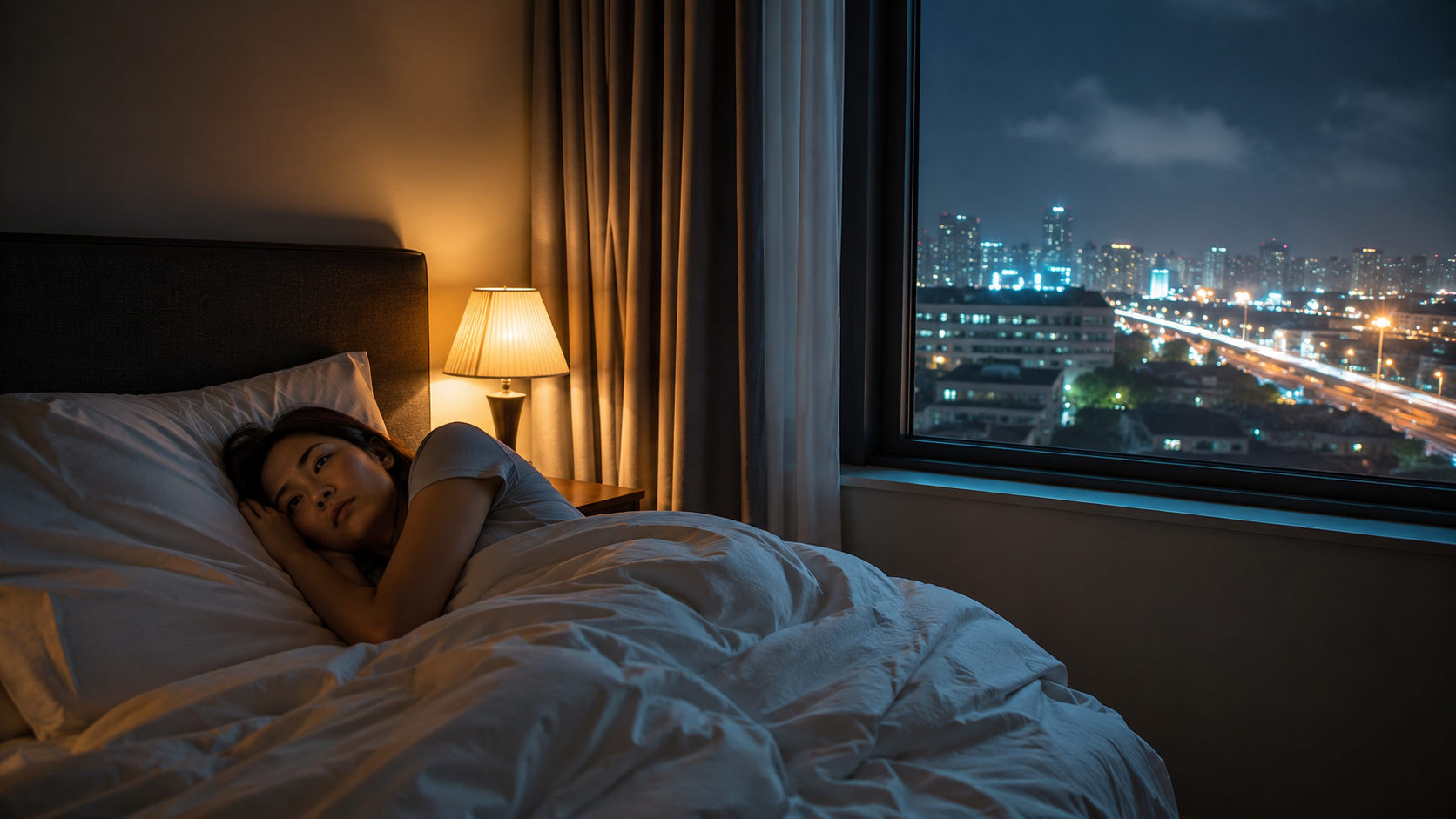
From a sleep perspective, one particularly important form is artificial light at night, or ALAN. Outdoor light may enter bedrooms through windows, while indoor lighting, televisions, phones, and computers add additional exposure before bedtime. These sources are not necessarily equivalent; the intensity, timing, duration, and wavelengths of light all influence its biological effects.[3] In particular, the circadian system is especially responsive to light that strongly stimulates melanopsin-containing retinal cells, which help communicate environmental light information to the brain’s internal clock.[3]
How Does Light Pollution Impact Sleep?
Light is one of the strongest signals regulating the body's circadian rhythm, the roughly 24-hour internal clock that helps determine when we feel awake and when we become sleepy. As evening approaches and the environment becomes darker, the body normally increases production of melatonin, a hormone involved in signaling biological night. Artificial light during the evening can interfere with this process. In a controlled study of 116 healthy adults, exposure to ordinary room light before bedtime delayed melatonin onset in nearly all participants and shortened the duration of melatonin production by approximately 90 minutes compared with dim-light conditions.[1]
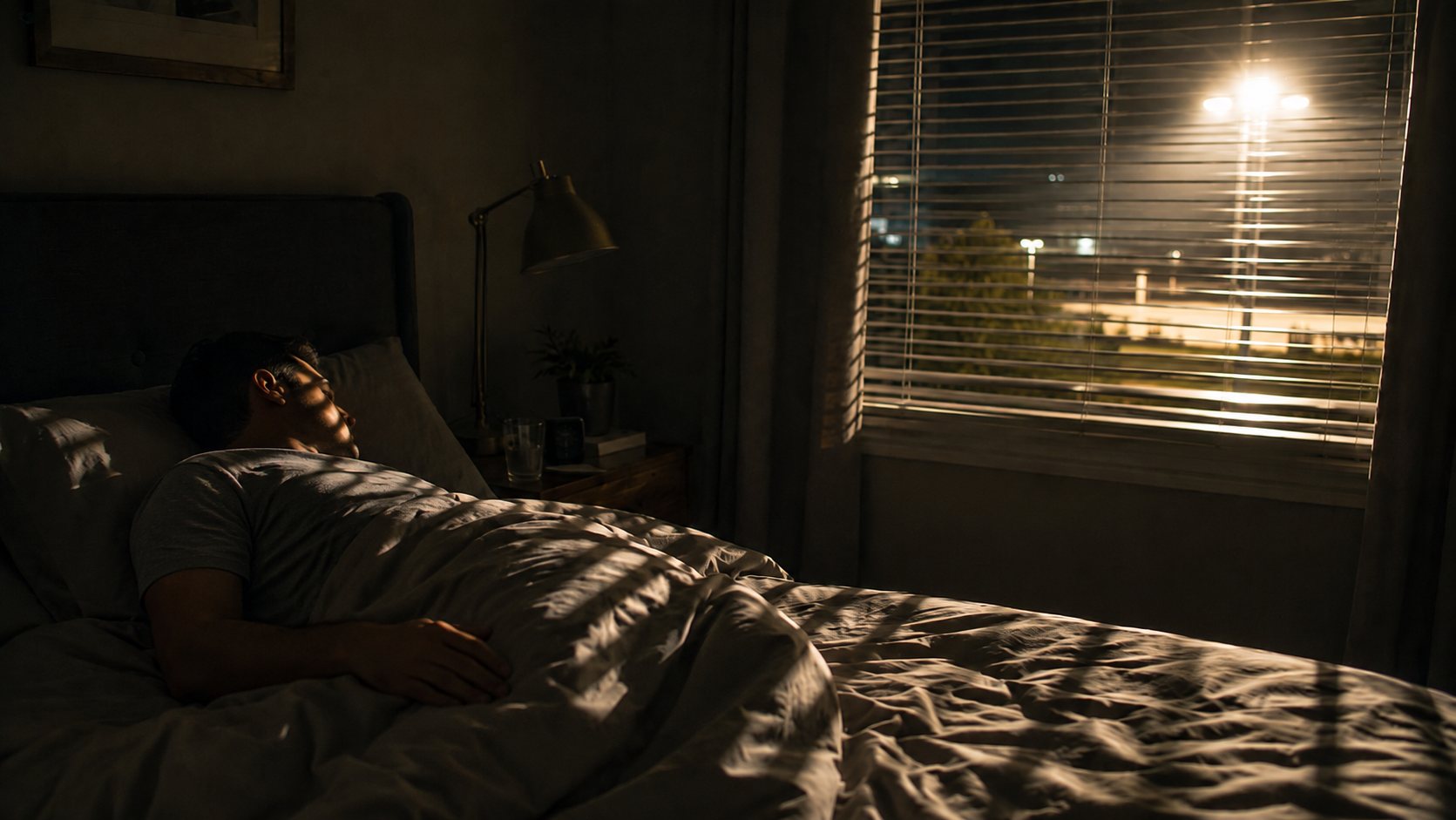
The effects may also appear at the population level. In a study of more than 333,000 U.S. adults, people living in areas with greater outdoor nighttime light were more likely to report short sleep.[4] Another U.S. study involving more than 10,000 adolescents found that those living in the highest levels of outdoor nighttime light went to bed approximately 29 minutes later and slept about 11 minutes less on weeknights than adolescents living in the darkest areas.[5] Because these studies are observational, they cannot prove that outdoor light alone caused these differences; brighter neighborhoods can also differ in traffic, noise, population density, and lifestyle. Still, taken together with controlled laboratory research, the findings support the idea that nighttime light exposure can interfere with healthy sleep timing.[1,4,5]
What Can You Do About Light Pollution?
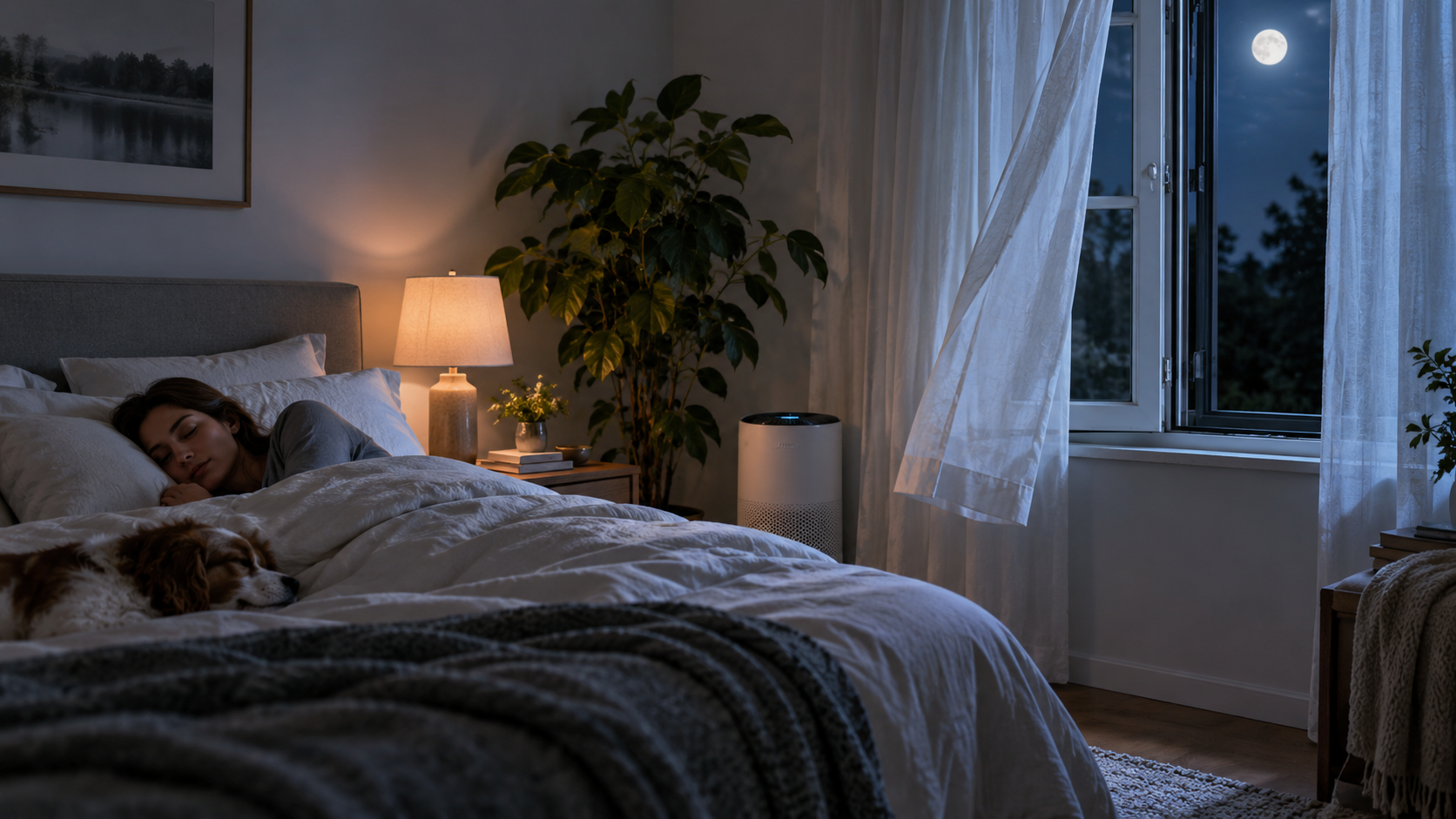
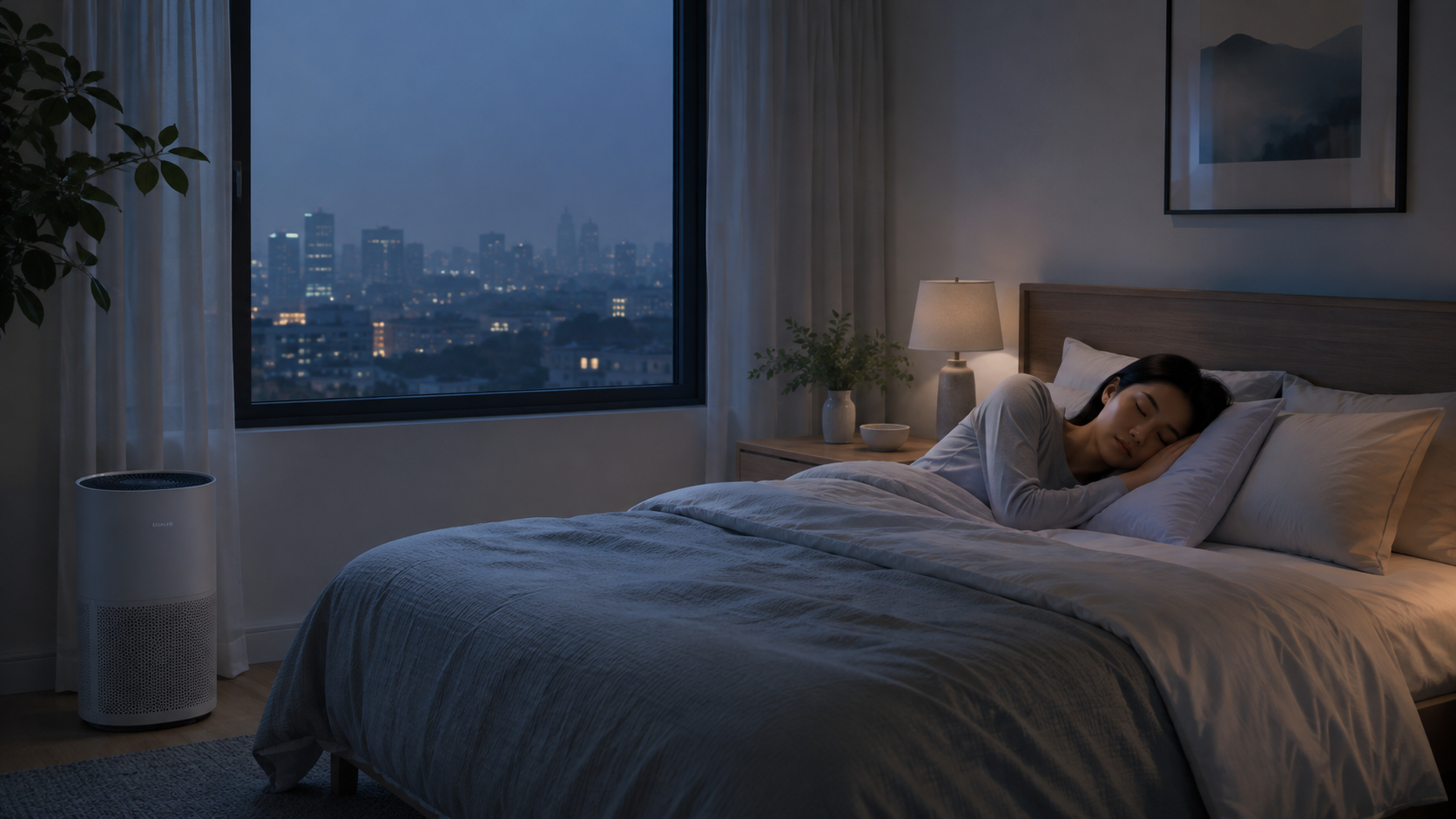
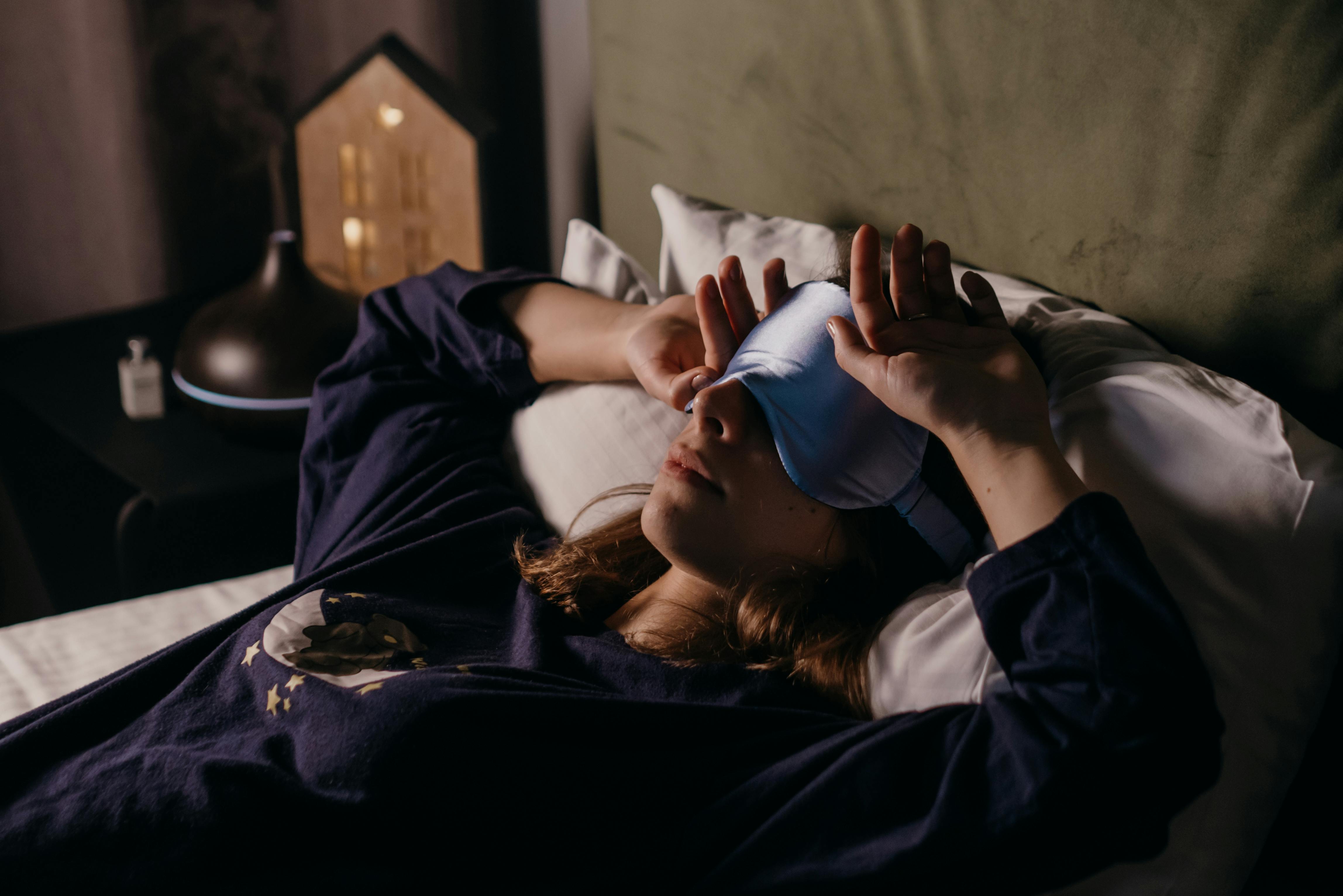
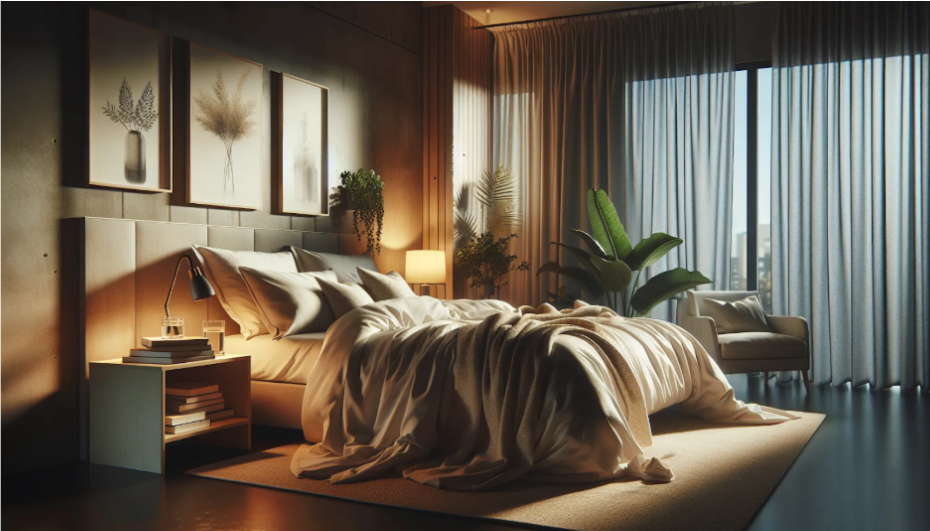
You may not be able to turn off every streetlight outside your home, but you can control how much light reaches your sleeping environment. The National Heart, Lung, and Blood Institute recommends keeping the bedroom cool, quiet, and dark and avoiding bright artificial light during the hour before bedtime.[6] If outdoor lighting enters through your windows, blackout curtains, room-darkening shades, or an eye mask can help reduce exposure. Small sources of bedroom light, such as bright clocks, televisions, chargers, or indicator lights, can also be covered or removed when practical.[6,7]
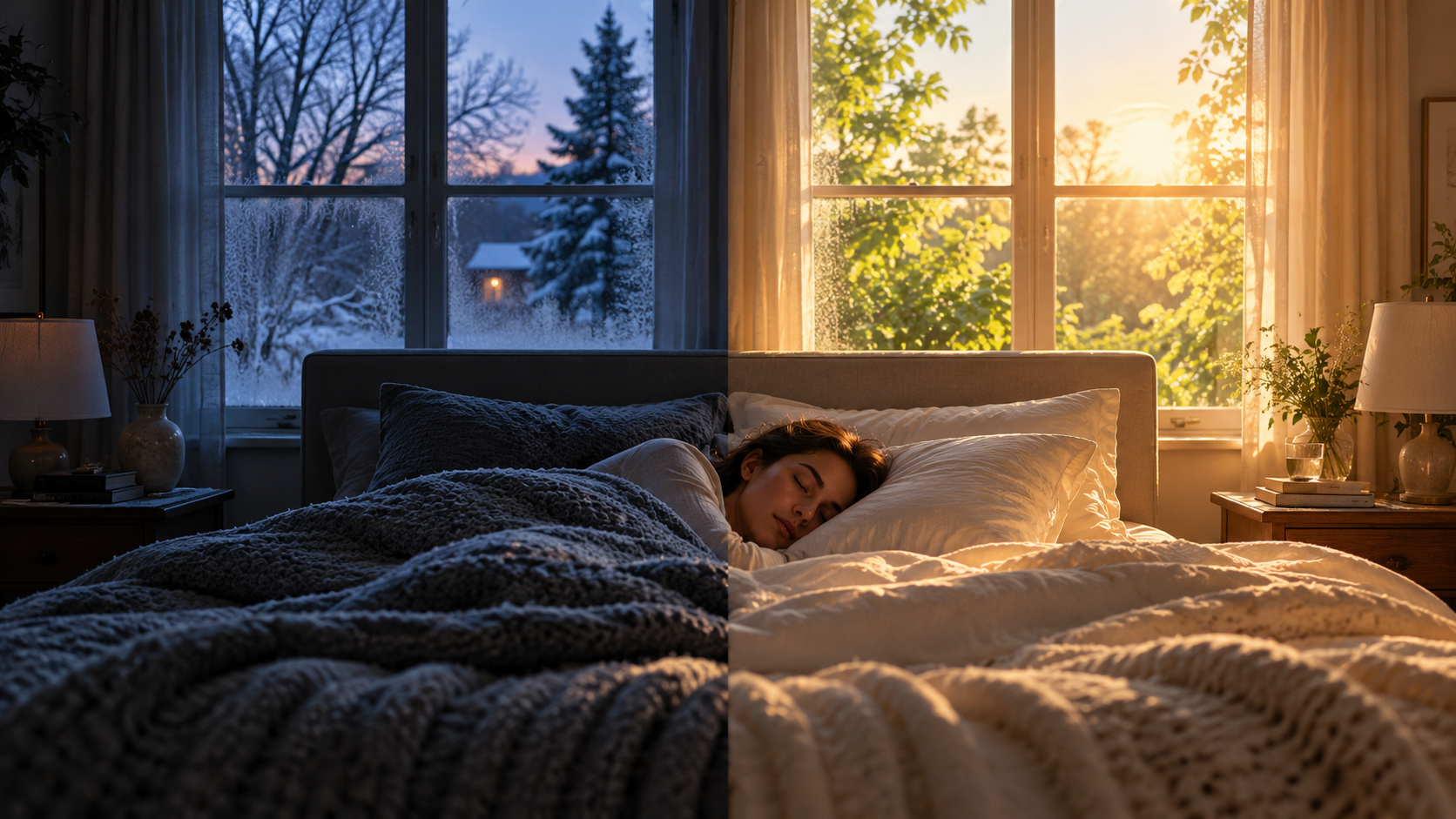
It is also useful to think about light exposure across the entire day rather than only at bedtime. Getting natural light during the daytime, particularly earlier in the day, helps reinforce the body's distinction between day and night, while dimmer lighting during the evening helps prepare the body for sleep.[6] Reducing bright overhead lighting and limiting bright screens close to bedtime may therefore complement efforts to block outdoor light. The goal does not have to be complete darkness from sunset onward, it is to give your circadian system a clearer transition from a bright day to a darker night.
Conclusion
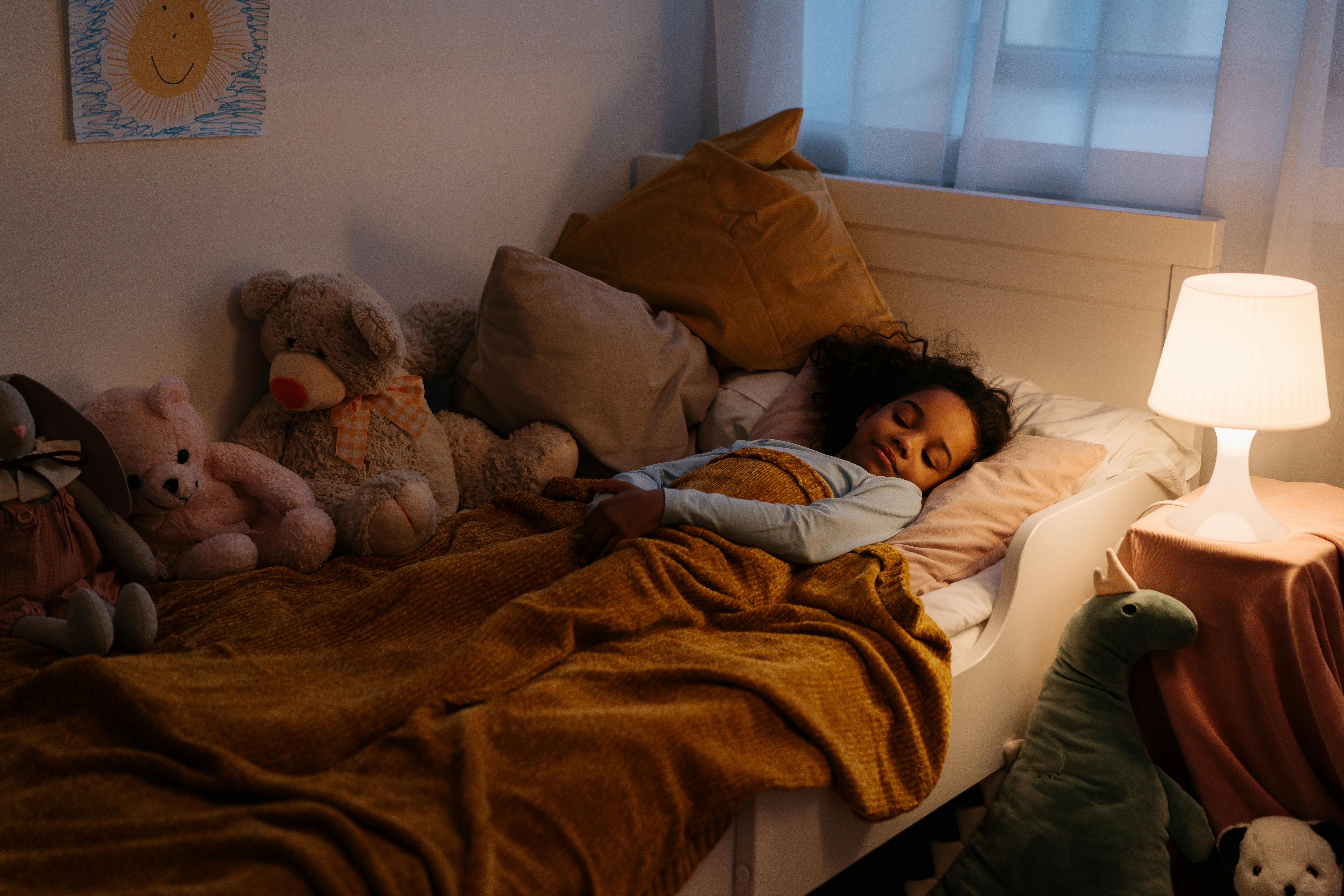
Artificial lighting allows our cities and homes to remain active long after sunset, but our biological clocks still rely on the ancient rhythm of light and darkness. Research suggests that greater exposure to artificial light at night is associated with later bedtimes and shorter sleep, while controlled experiments show that evening light can suppress or delay melatonin production.[1,4,5] Creating a darker bedroom, reducing unnecessary evening light, and getting plenty of daytime light are relatively simple ways to help give the brain a clearer signal that nighttime is meant for sleep. In a world where it seems as though every night becomes brighter, it is important to maintain a dark sleeping environment to protect your much needed rest.


.png)
.png)