Reviewed by Sahil Chopra, MD.
Research by Savit Malhotra and Quynh Theresa Do.
Introduction
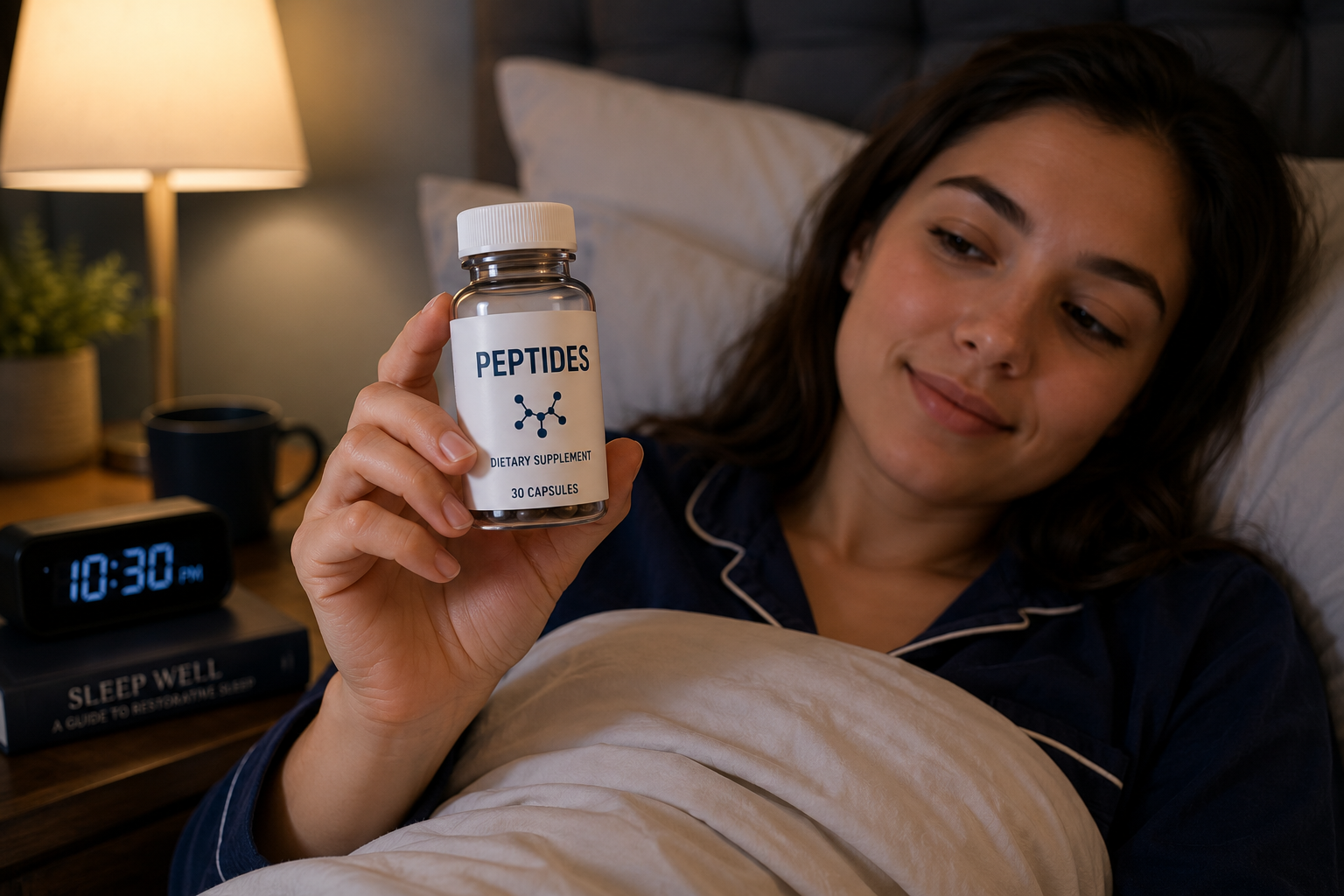
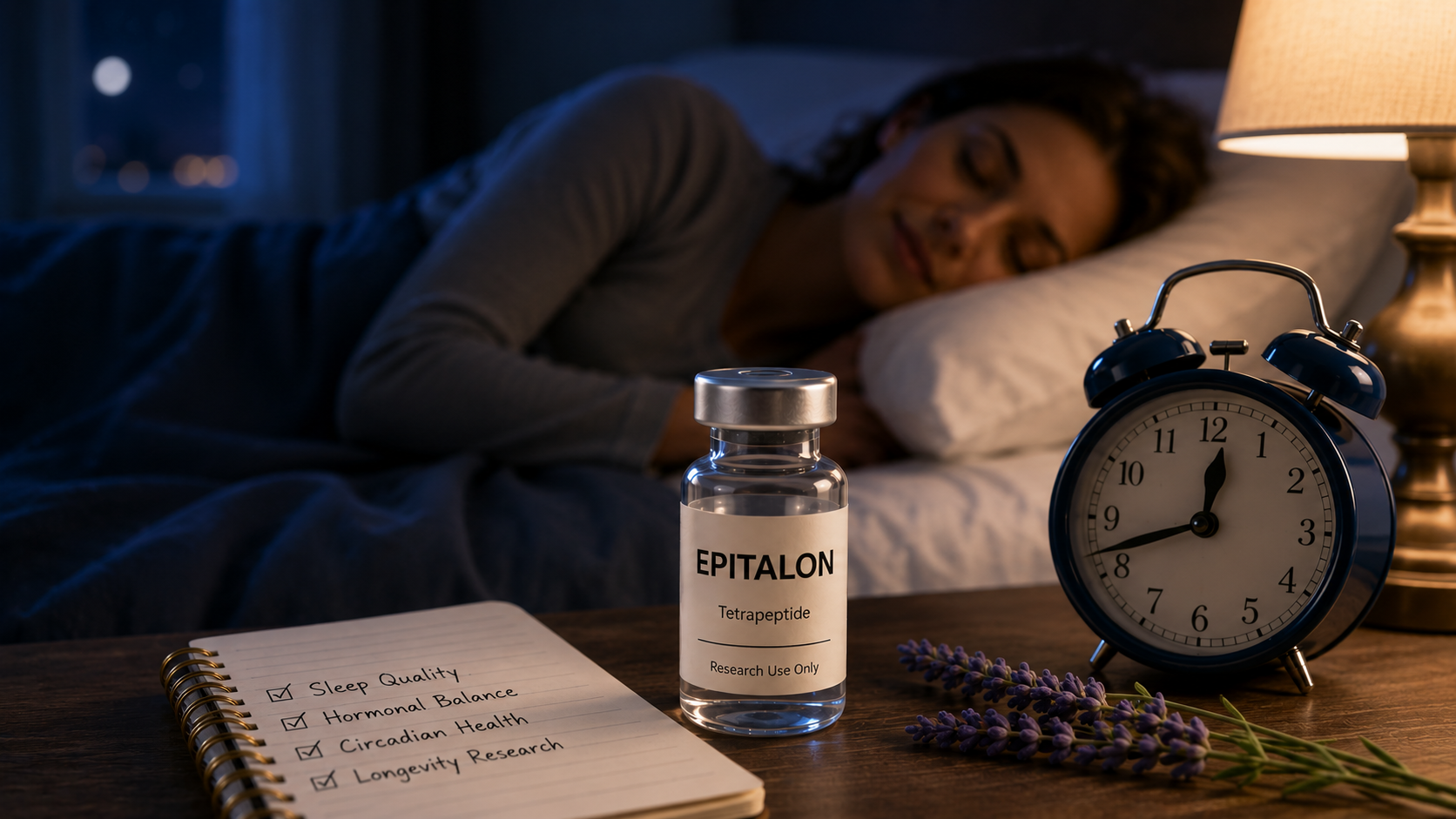
As interest in longevity and healthy aging continues to grow, researchers have increasingly investigated compounds that may influence both aging and sleep. One peptide that has received considerable attention is Epitalon. Developed as a synthetic peptide based on compounds originally isolated from the pineal gland, Epitalon has been studied for its potential effects on sleep, biological rhythms, and healthy aging.[1] Although early findings have generated interest, Epitalon remains an investigational compound. The U.S. Food and Drug Administration (FDA) has not approved Epitalon for the treatment of insomnia or any sleep disorder, though the FDA’s Pharmacy Compounding Advisory Committee has scheduled a review of Epitalon for insomnia as of 2026.[2] In this article, we review the history of Epitalon, discuss what researchers currently understand about how it may work, and highlight the limitations of existing research.
The History of Epitalon
The story of Epitalon began in the late twentieth century when Russian scientist Vladimir Khavinson and colleagues investigated biologically active peptides produced by the pineal gland.[1] The pineal gland is a small organ located near the center of the brain. It is part of the endocrine system and helps regulate circadian rhythms through the production of melatonin, a hormone involved in sleep timing and biological clock regulation (read more on melatonin in our previous blog post). Researchers first extracted a peptide preparation known as Epithalamin from bovine pineal tissue, which is biological material harvested from the pineal glands of cattle.[1,3] Epithalamin was studied extensively through the 1980s and 1990s for its effects on aging, immune function, and melatonin production in animal models and some human trials.[4,5] Based on Epithalamin, Khavinson and his team designed Epitalon. Epitalon is a synthetic tetrapeptide, meaning it is made up of four amino acids, the basic building blocks of proteins.[1] Doing so would allow researchers to have a more stable and standardized compound that was associated with some of the biological effects from the natural pineal extract.[1]
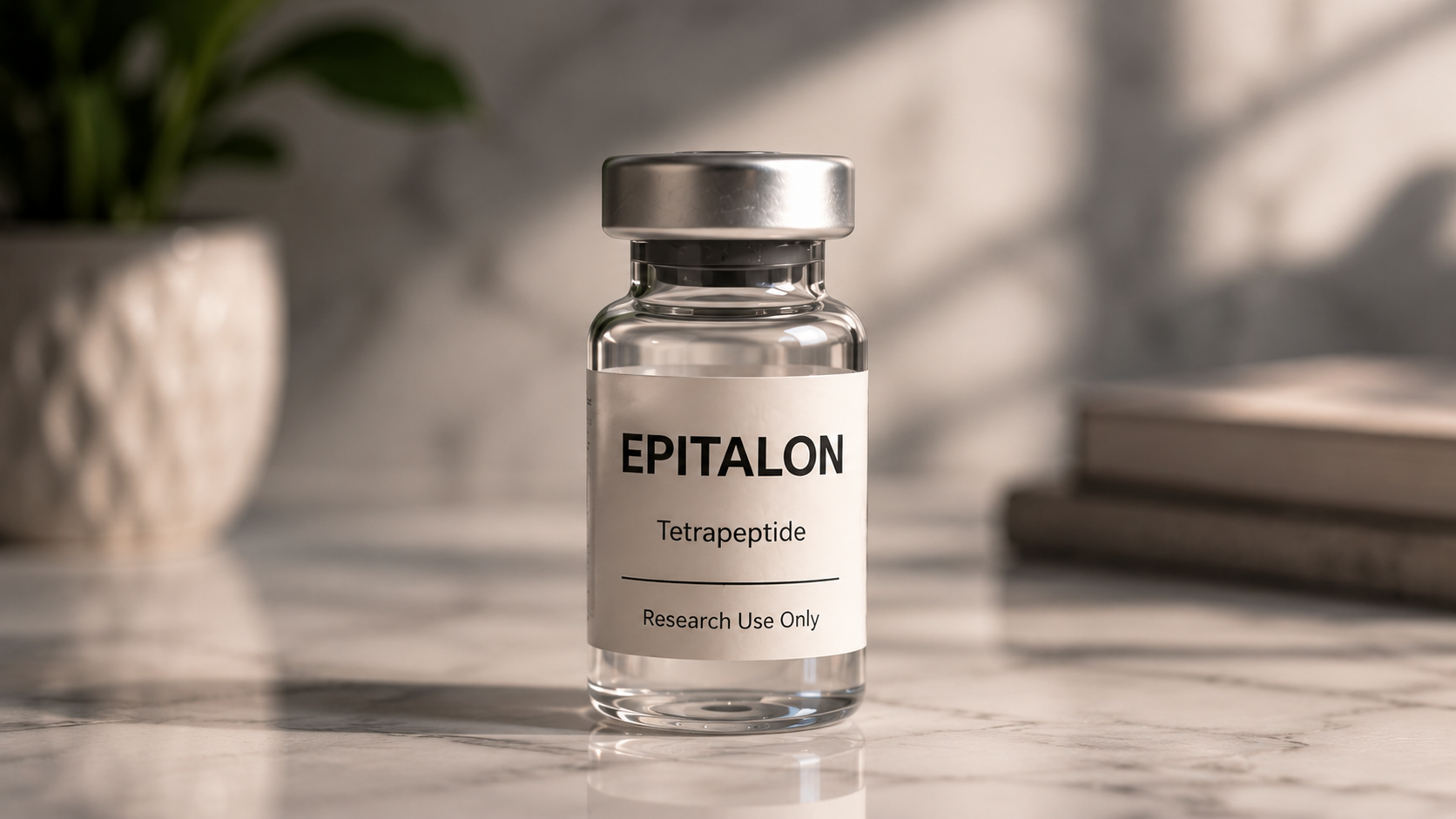
Beginning in the late 1990s and through the 2000s, Epitalon itself was investigated for its potential effects on aging, immune function, endocrine regulation, and longevity.[6,7] Some laboratory studies suggested that Epitalon may activate telomerase, an enzyme involved in maintaining telomeres, which are the protective caps at the ends of chromosomes.[8] Because telomeres tend to shorten as cells age, researchers have explored whether preserving them could support healthy aging. Researchers also observed that Epitalon appeared to influence melatonin secretion and circadian rhythm in animal models.[9,10] However, despite decades of investigation, much of the available evidence comes from laboratory studies, animal models, or relatively small human trials. Larger, well-controlled clinical studies remain limited.[11]
How does Epitalon work?
One of the most frequently discussed mechanisms involves melatonin production. Melatonin is often referred to as the body's "sleep hormone," though it is more accurately described as a circadian signaling molecule that helps synchronize the sleep-wake cycle with environmental light and darkness and promotes sleep onset partly by lowering core body temperature. Research in animal models suggests that Epitalon may influence pineal gland function and support melatonin secretion. In one small study, Epitalon significantly stimulated evening melatonin synthesis in senescent rhesus monkeys (Macaca mulatta) and helped normalize their circadian cortisol rhythm.12] In humans, melatonin production often declines with age, which may contribute to sleep disturbances and disruptions in normal biological timing.[12]
Melatonin is one of the body's primary circadian signals, doing more than simply promoting sleep. It also helps coordinate daily fluctuations in hormone release, metabolism, and body temperature, among other physiological processes.[13] Cortisol, often referred to as the body's primary stress hormone, normally follows an opposite pattern to melatonin, rising in the morning and declining throughout the day. Disruptions in these hormonal rhythms are commonly observed with aging and have been associated with poorer sleep quality and circadian dysfunction.[13]
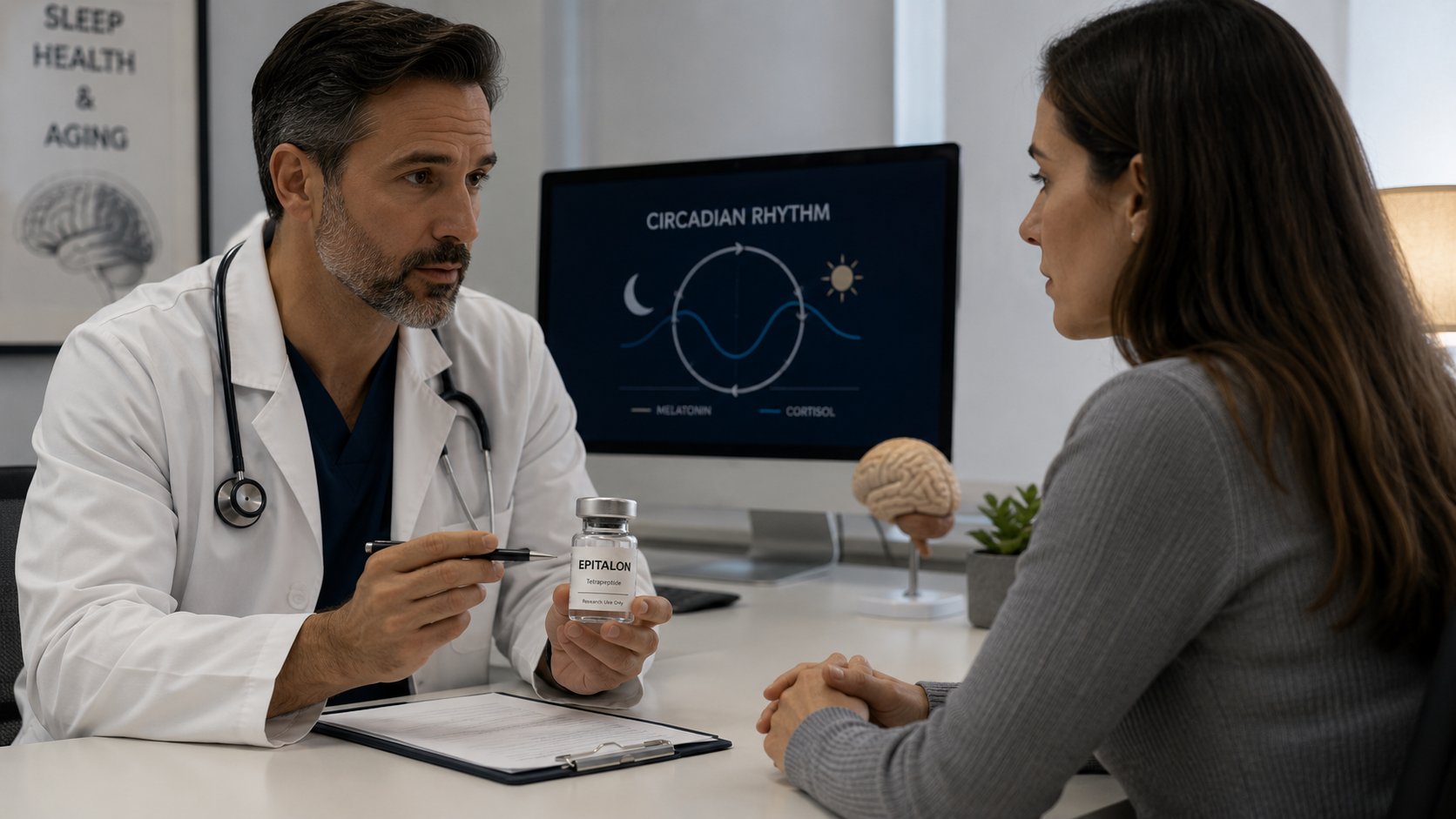
Separate research in old monkeys showed that Epitalon increased basal nighttime melatonin levels and also improved age-related changes in glucose and insulin regulation.[14] Because reduced melatonin levels have been associated with sleep disturbances and circadian rhythm disruption, researchers have explored whether Epitalon could help support healthier sleep patterns. Collectively, these findings suggest that Epitalon may not function as a traditional sleep aid but rather as an influence on the biological systems that regulate sleep timing and circadian organization.
Epitalon has also been investigated for its potential effects on circadian rhythms.[15] Circadian rhythms are approximately 24-hour biological cycles that regulate sleep, hormone release, metabolism, body temperature, and many other physiological functions. Studies in senescent primates suggest that Epitalon may help restore normal circadian signaling, including the rhythmic patterns of melatonin and cortisol secretion.[12,16] Researchers hypothesize that this mechanism could contribute to some of the sleep-related effects reported in early studies. However, additional research is needed to determine the extent of Epitalon's influence on circadian regulation in humans.
Conclusion
Epitalon is a synthetic peptide that has generated interest for its potential effects on melatonin production, circadian rhythms, and other age-related biological processes. Research in animal models suggests that Epitalon may help restore disrupted hormonal signaling and support the body’s natural timing systems, particularly through its effects on the pineal gland and melatonin secretion. However, much of the available evidence comes from laboratory and animal studies, and human clinical research remains limited. Further research is needed to fully evaluate the benefits and drawbacks of this peptide.
Until more research is conducted, Epitalon remains an investigational compound that the U.S. Food and Drug Administration has not approved for the treatment of insomnia, sleep disorders, or any other medical condition. Additional well-designed human studies are needed to better understand its safety, effectiveness, and potential role in sleep and circadian health.


.png)
.png)