Reviewed by Sahil Chopra, MD.
Research by Savit Malhotra
Introduction
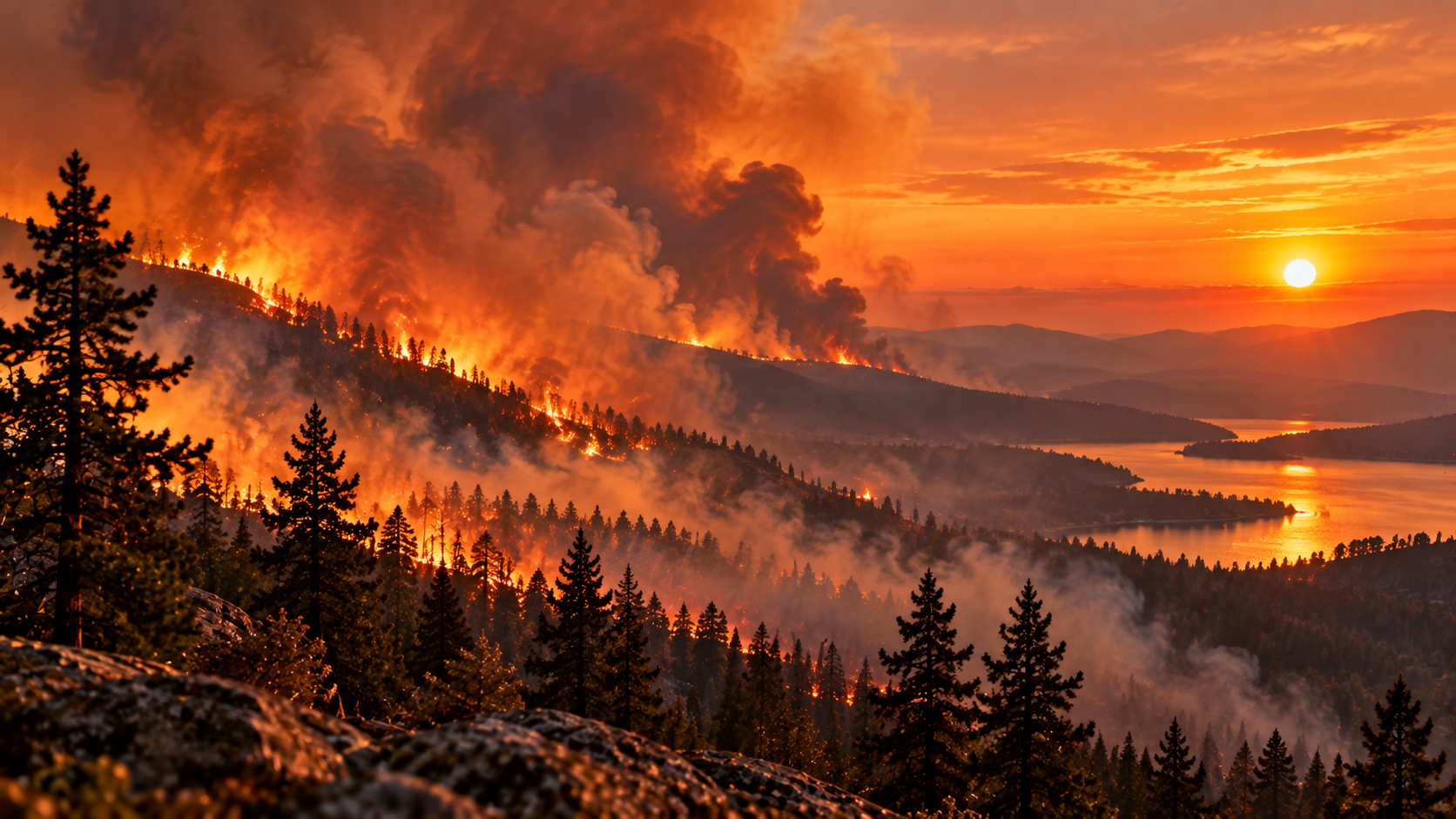
Wildfire smoke can travel hundreds or even thousands of miles from its source, affecting communities far from the flames. One of its most important components is fine particulate matter, or PM₂.₅, which is small enough to travel deep into the lungs and contribute to respiratory and cardiovascular problems.[1] Sleep is a less-discussed part of wildfire health. Smoke can irritate the nose, throat, and lungs, worsen coughing or congestion, raise stress levels, and make it harder to keep bedrooms cool and well-ventilated. Studies conducted during major wildfire events have found that many people report worse sleep, fatigue, insomnia, and other nighttime problems during periods of heavy smoke.[2,3,4]
How Can Wildfire Smoke Affect Sleep?
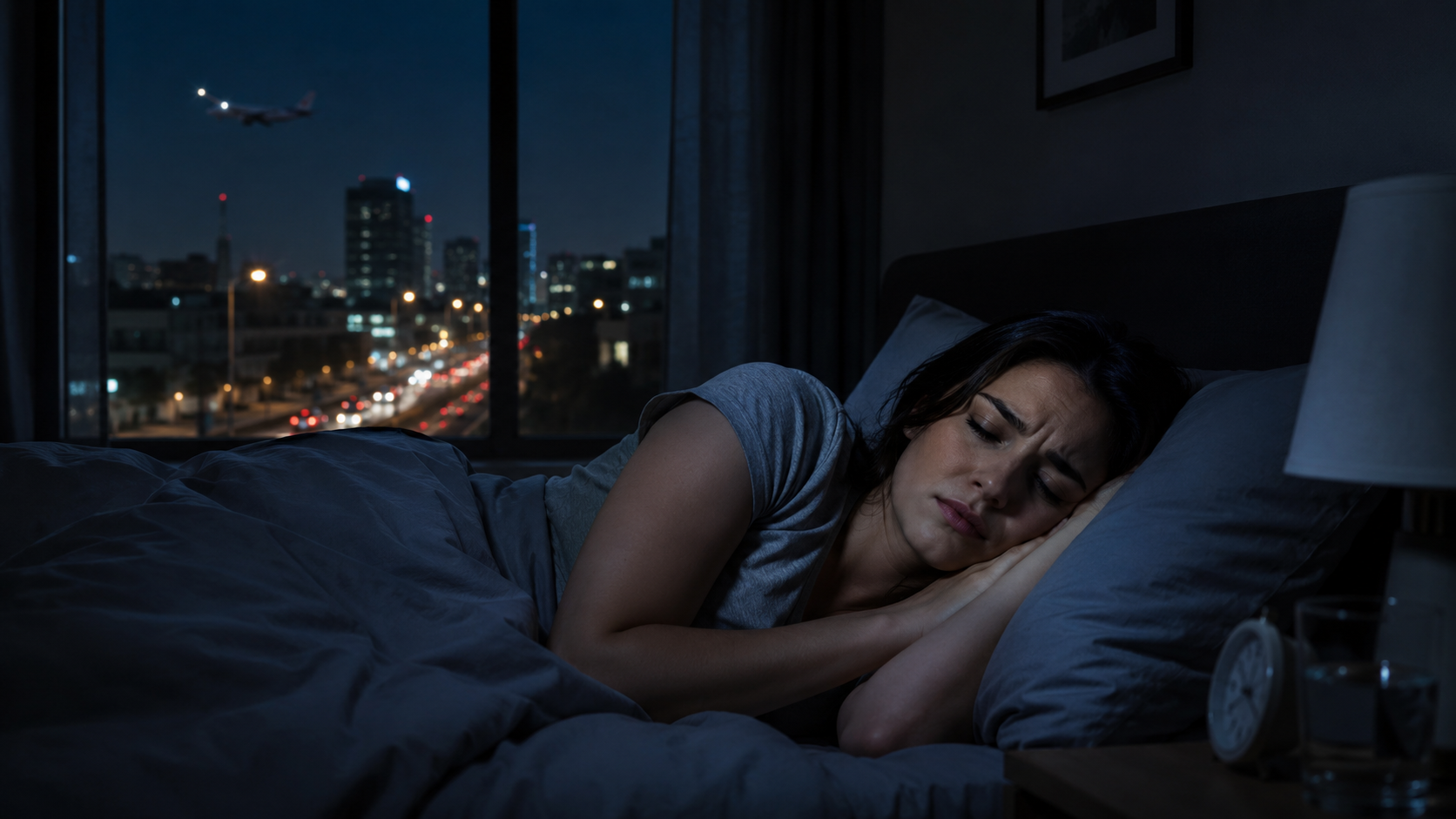
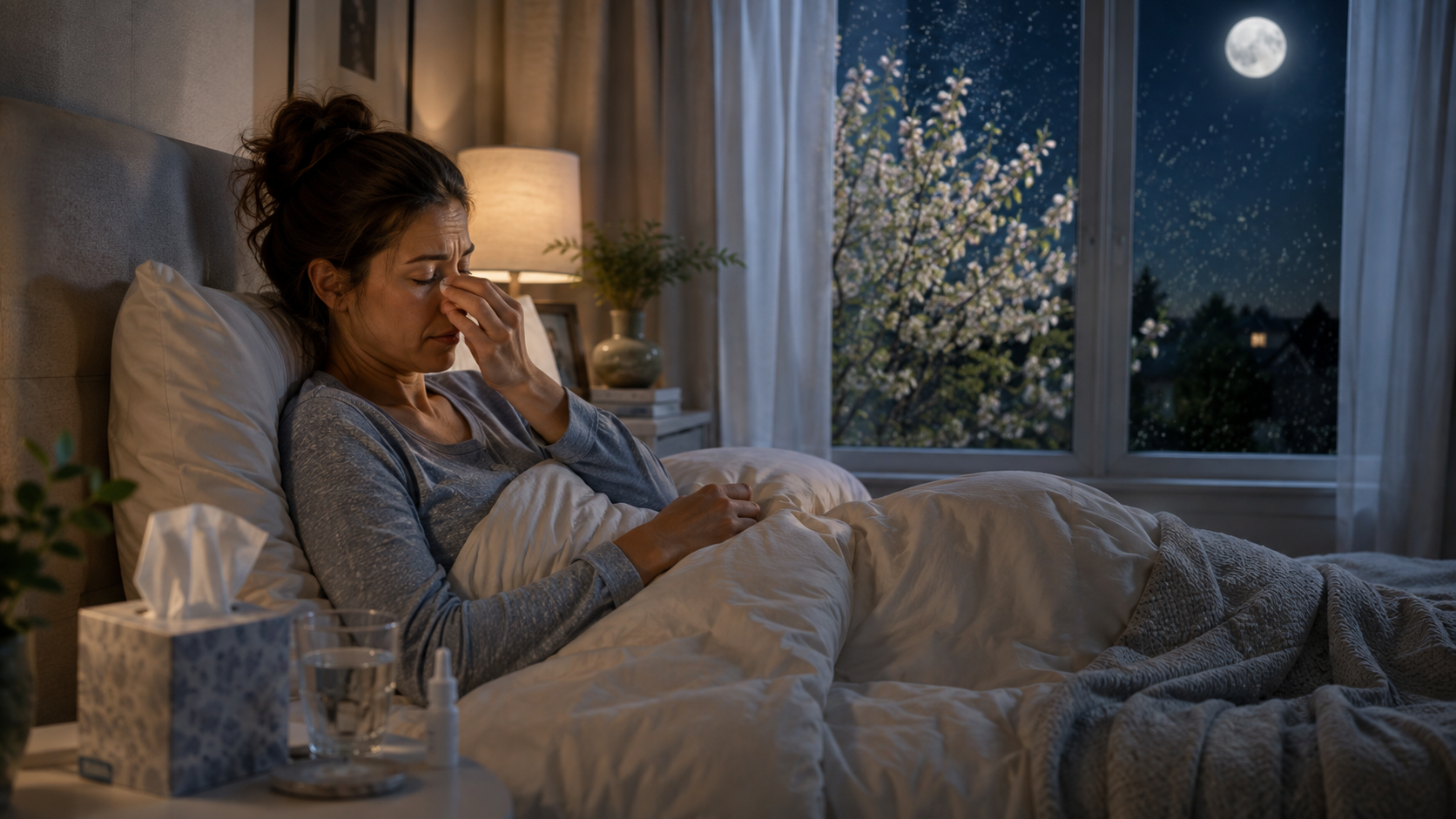
Wildfire smoke contains a mixture of particulate matter, gases, and chemicals produced as vegetation and other materials burn.[1] The pollutant of greatest concern is often PM₂.₅, or particles smaller than 2.5 micrometers in diameter. These particles can penetrate deep into the respiratory system and have been linked to asthma exacerbations, coughing, wheezing, airway irritation, and other respiratory problems.[10,11,13] Going to bed with a scratchy throat, runny nose, cough, headache, or difficulty breathing can make it harder to fall asleep and stay asleep, particularly for people with asthma, COPD, or other respiratory conditions.
Direct research on wildfire smoke and sleep is still relatively limited, but the available evidence suggests that sleep disruption is common during major smoke events. During the 2019–2020 Australian bushfire season, researchers surveyed more than 2,000 adults and found that about half reported poorer sleep related to smoke, including disrupted sleep and fatigue.[2] Another study of wildfire survivors from Australia, Canada, and the United States found high levels of insomnia and nightmares, with nearly half meeting the study's threshold for clinical insomnia.[3] More recently, research following the 2025 Los Angeles wildfires identified poor sleep alongside symptoms such as fatigue, anxiety, and brain fog among people exposed to wildfire-related PM₂.₅.[4]
There is also a much larger body of research examining air pollution more broadly. Systematic reviews and large population studies have associated particulate pollution with poorer sleep quality, shorter sleep duration, sleep disorders, and in some studies, sleep-disordered breathing.[5,6,7,9] These studies mostly involve chronic ambient pollution rather than short bursts of wildfire smoke, so the two should not be treated as identical. Still, they provide additional evidence that polluted air may influence sleep, especially when exposure is severe enough to irritate the respiratory system or contribute to inflammation.
Smoke, Stress, and the Sleep Environment
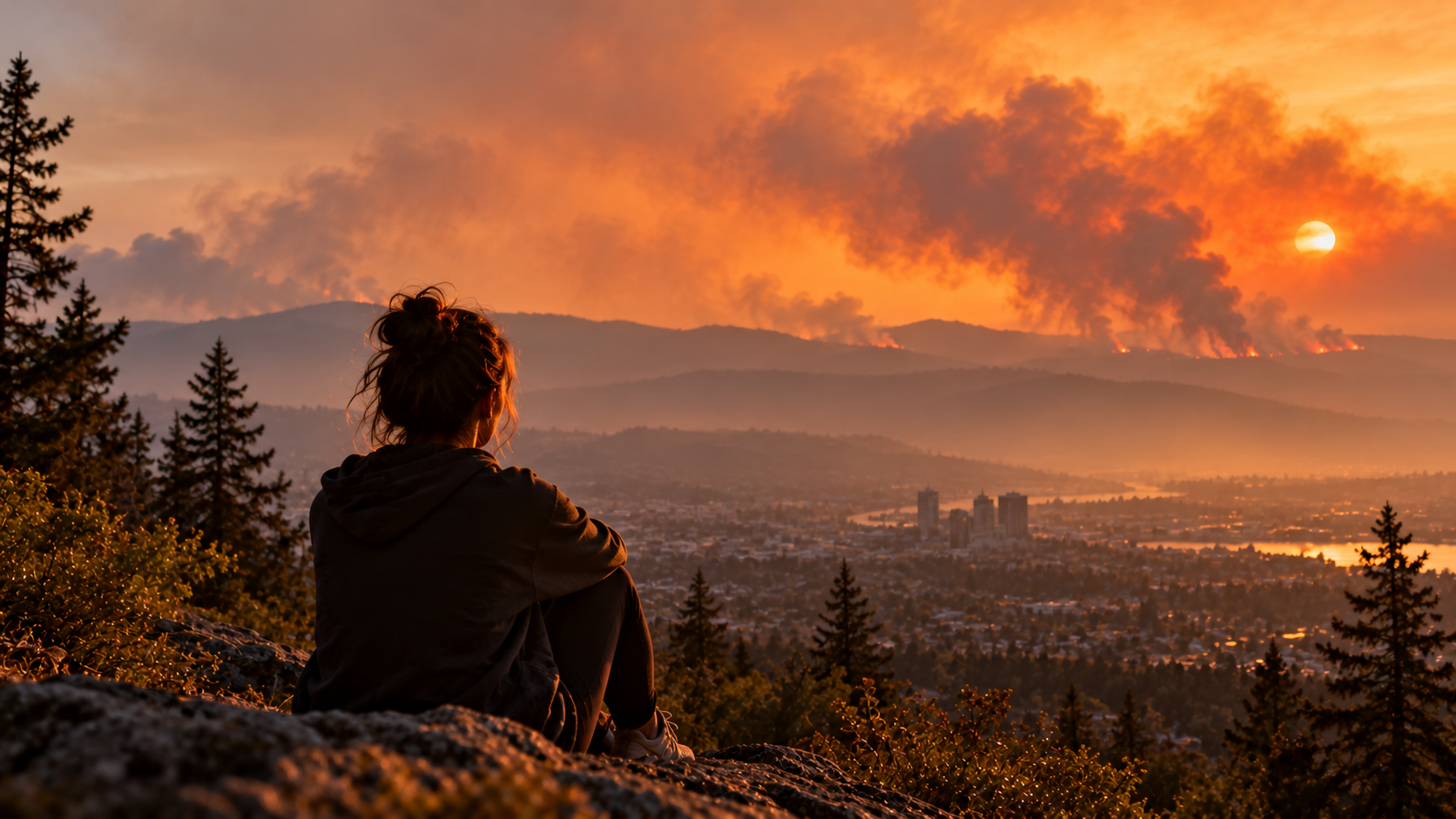
Wildfire smoke may disrupt sleep through more than just the lungs. Wildfires can bring uncertainty, evacuation concerns, changes in daily routines, fear for family or property, and constant monitoring of changing conditions. Studies of wildfire-affected communities have reported increased anxiety, psychological distress, insomnia, and nightmares.[3,15] This makes it difficult to separate the physical effects of inhaling smoke from the psychological effects of living through a wildfire event. In many cases, poor sleep probably reflects a combination of smoke exposure, respiratory symptoms, stress, heat, and disrupted routines.
Smoke can also change the bedroom environment itself. Staying indoors generally reduces exposure, but indoor air is not automatically smoke-free. Fine particles can enter through open windows and doors, mechanical ventilation systems, and small gaps in buildings. During wildfire events, indoor PM₂.₅ is often lower than outdoor levels, but concentrations can still rise considerably depending on the home and its filtration system.[16]
This creates an especially difficult problem when wildfire smoke overlaps with hot weather. Opening a window may cool the bedroom and improve airflow, but it can also allow smoke inside. Keeping everything closed may reduce smoke exposure but leave the room hotter and stuffier. EPA guidance therefore emphasizes balancing clean air with safe indoor temperatures rather than following a universal rule to always keep windows closed.[16,17]
How Can You Protect Your Sleep During Wildfire Smoke?
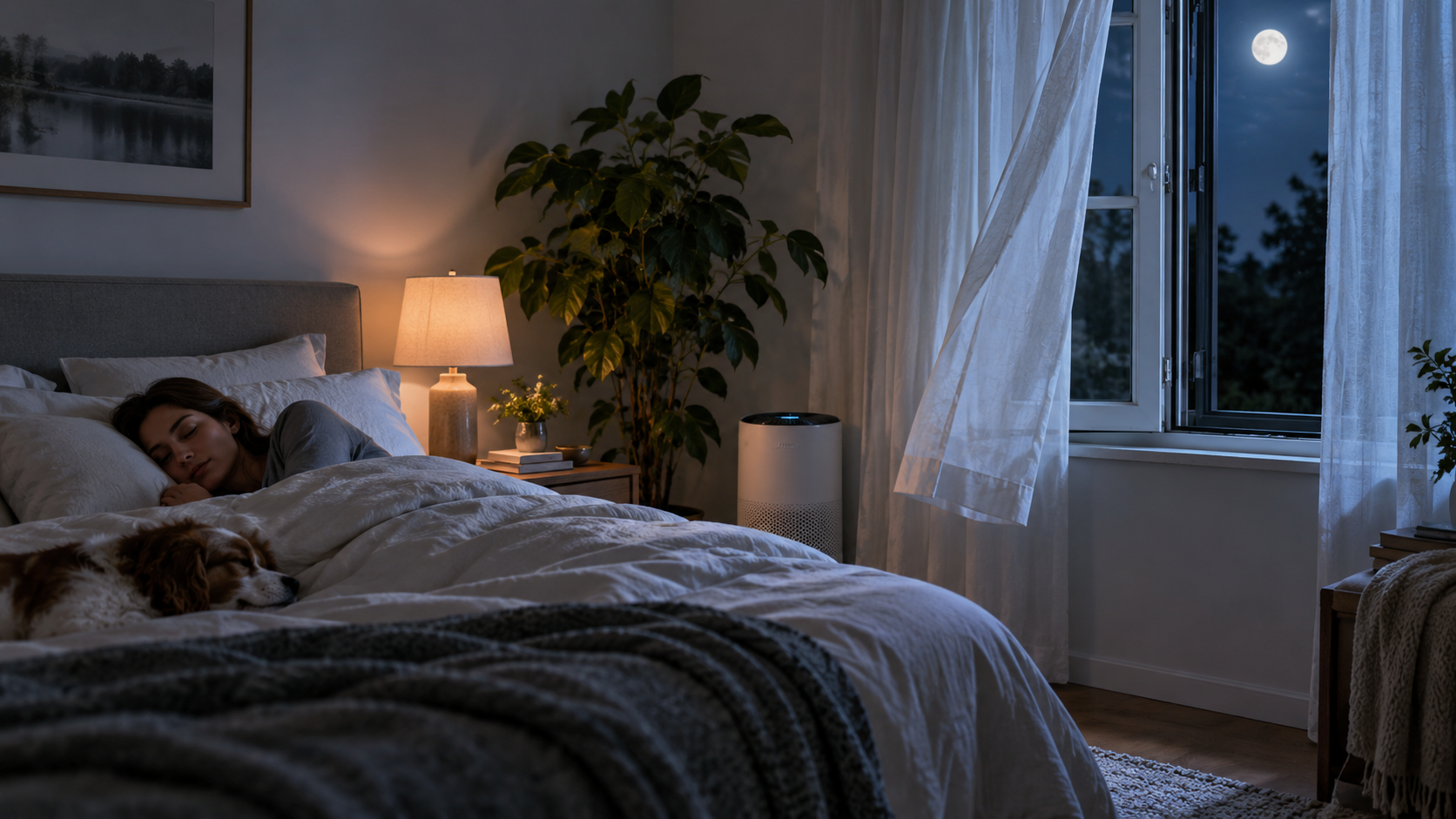
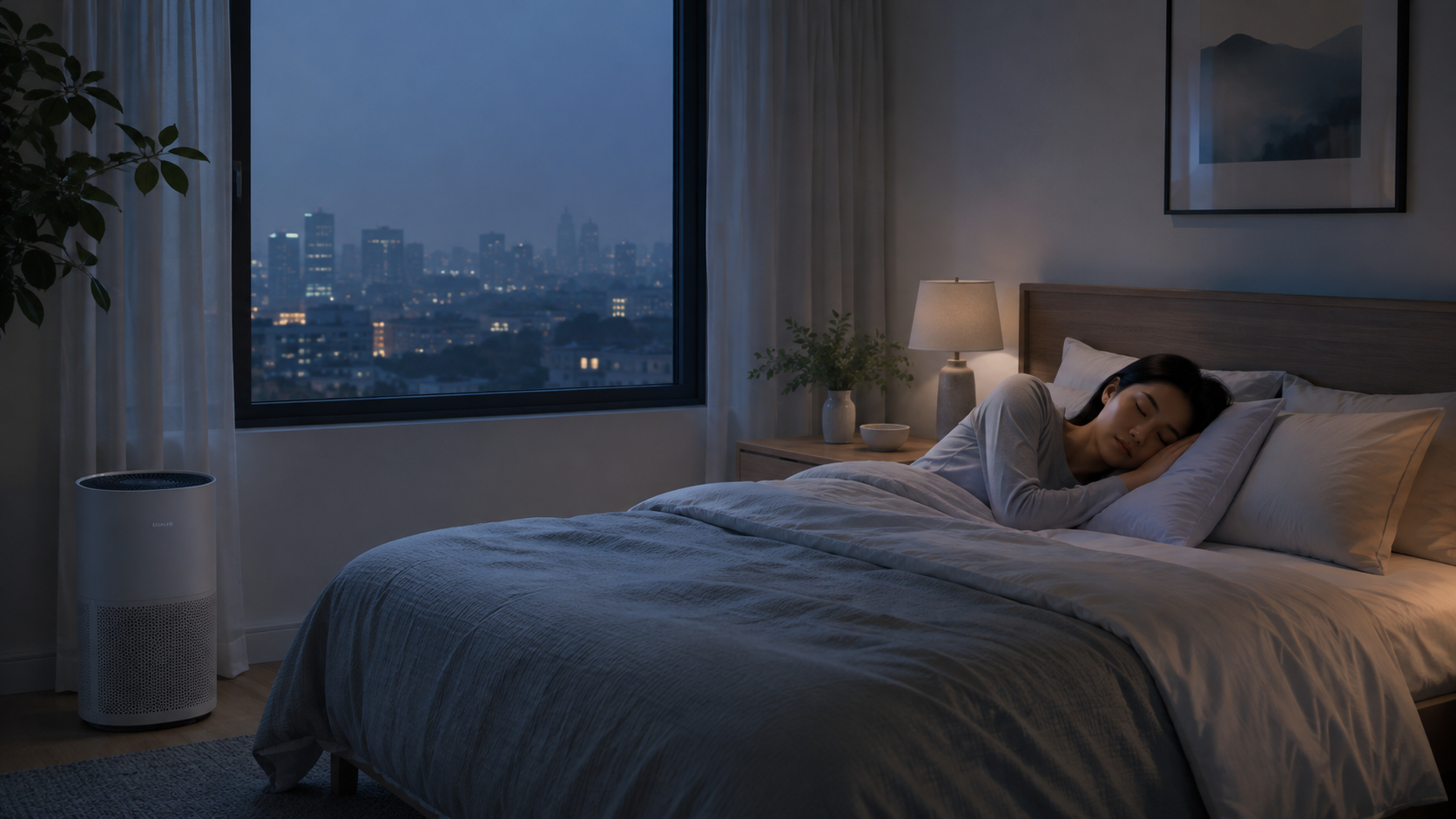
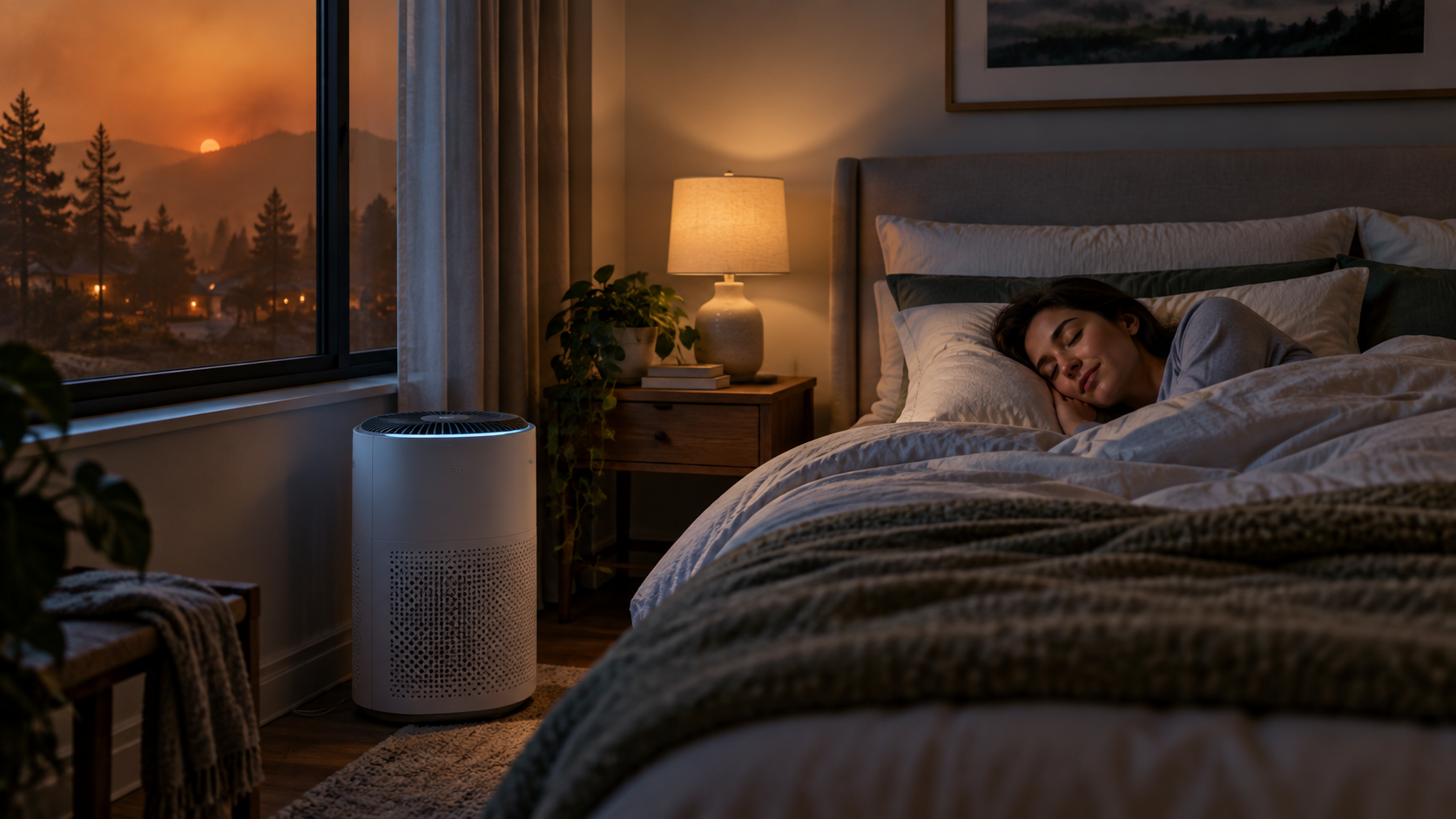
One of the most effective steps is creating a cleaner-air bedroom. A properly sized portable air cleaner using a mechanical HEPA filter can substantially reduce indoor particulate levels and is one of the main strategies recommended during wildfire smoke events.[17,18] The unit should have a Clean Air Delivery Rate, or CADR, appropriate for the size of the bedroom. Homes with central HVAC systems may also benefit from higher-efficiency filtration, such as MERV 13 or higher when the system can safely accommodate it.[16]
It is equally important to avoid creating additional pollution indoors. During heavy smoke, EPA recommends limiting activities that generate particles, including smoking, vaping, burning candles or incense, using fireplaces, and some types of high-heat cooking.[16] Monitoring the local Air Quality Index, or AQI, can also help you determine when outdoor conditions are worsening or improving. Wildfire smoke can fluctuate considerably throughout the day, and short periods of cleaner outdoor air may provide opportunities to briefly ventilate or cool the home.[19]
If smoke events are common where you live, preparation can make a major difference. Keeping replacement filters available, making sure your air cleaner is appropriately sized, understanding how your HVAC filtration works, bookmarking a reliable local air-quality source, and deciding in advance which room will serve as your cleaner-air space can all reduce last-minute decisions when smoke arrives.[17,18,19]
Who Should Be Especially Careful?
Wildfire smoke can affect anyone, but certain groups face greater health risks. These include people with asthma, COPD, cardiovascular disease, older adults, children, pregnant individuals, and people who spend substantial time outdoors.[13,19] For people with existing respiratory disease, smoke-related coughing, wheezing, chest tightness, or nasal congestion may be particularly disruptive to sleep.
People who already struggle with insomnia, sleep apnea, or fragmented sleep may also notice that smoky conditions make sleep more difficult, although wildfire-specific research in these groups remains limited. Anyone experiencing severe difficulty breathing, chest pain, confusion, or other serious symptoms should seek appropriate medical care rather than assuming the problem is simply poor sleep.
Conclusion
Wildfire smoke can affect far more than what we breathe during the day. It can irritate the airways, increase stress, infiltrate the bedroom, force windows closed, and make it harder to maintain a cool and comfortable sleep environment. Direct research on wildfire smoke and sleep is still developing, but existing wildfire studies and the broader air-pollution literature suggest that poor air quality can contribute to worse sleep.[2,3,4,5,6,7,8,9]
Fortunately, exposure indoors can often be reduced. Monitoring the AQI, keeping smoke out when possible, using HEPA filtration, improving HVAC filtration, avoiding additional indoor particle sources, and creating a cleaner-air bedroom can all help protect the air you breathe overnight.[16,17,18,19] A wildfire may be miles away, but when smoke reaches your neighborhood, protecting your sleep starts with keeping as much of it as possible out of your bedroom.


.png)
.png)